Driving Sustainable Transformation Together

Why School Hygiene is Key to Protect Learning

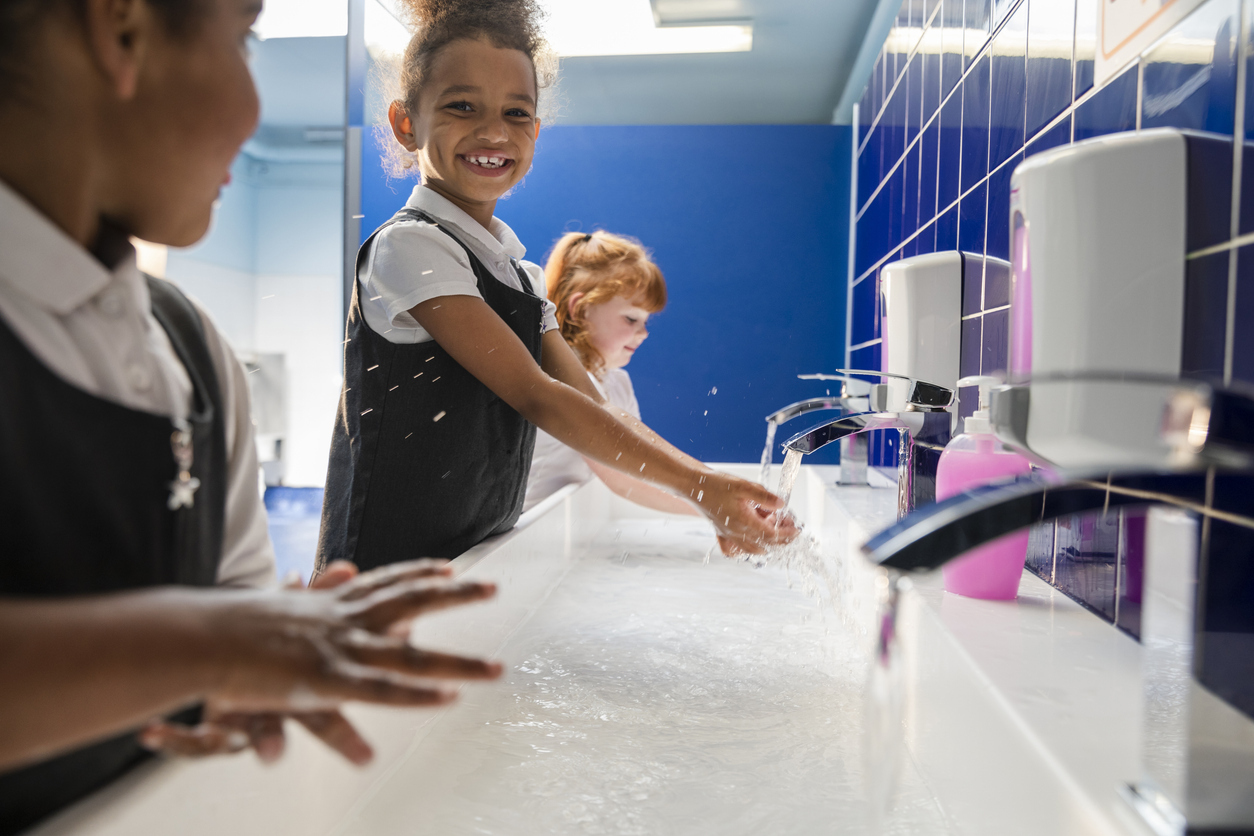
Children naturally have more vulnerable immune systems, making them especially prone to infections. Spending 7–8 hours a day in close-contact school environments—learning, playing, socialising, and exploring—means their well-being is deeply shaped by the conditions around them. Each school year, countless students lose valuable classroom time due to the rapid spread of bacteria and viruses. Prioritising children’s health by setting high standards of hygiene in schools is essential to support consistent learning and ensure every student can thrive.
Re‑establishment of Pathogens After Cleaning

Harmful microorganisms can naturally colonise, grow, and spread throughout school environments, much like they do in healthcare facilities. While cleaning staff often focus on expected areas such as toilet bowls, floors, desks, and tables, many hidden germ hotspots are frequently overlooked. 


A study published in the Journal of Applied Microbiology measured how quickly bacterial and fungal communities recolonize school surfaces after cleaning.


The research used techniques like qPCR and DNA sequencing to show that even after cleaning, microbial communities on desks and other surfaces can rebound, making frequent and effective cleaning key.
Croos-Contamination of Pathogens

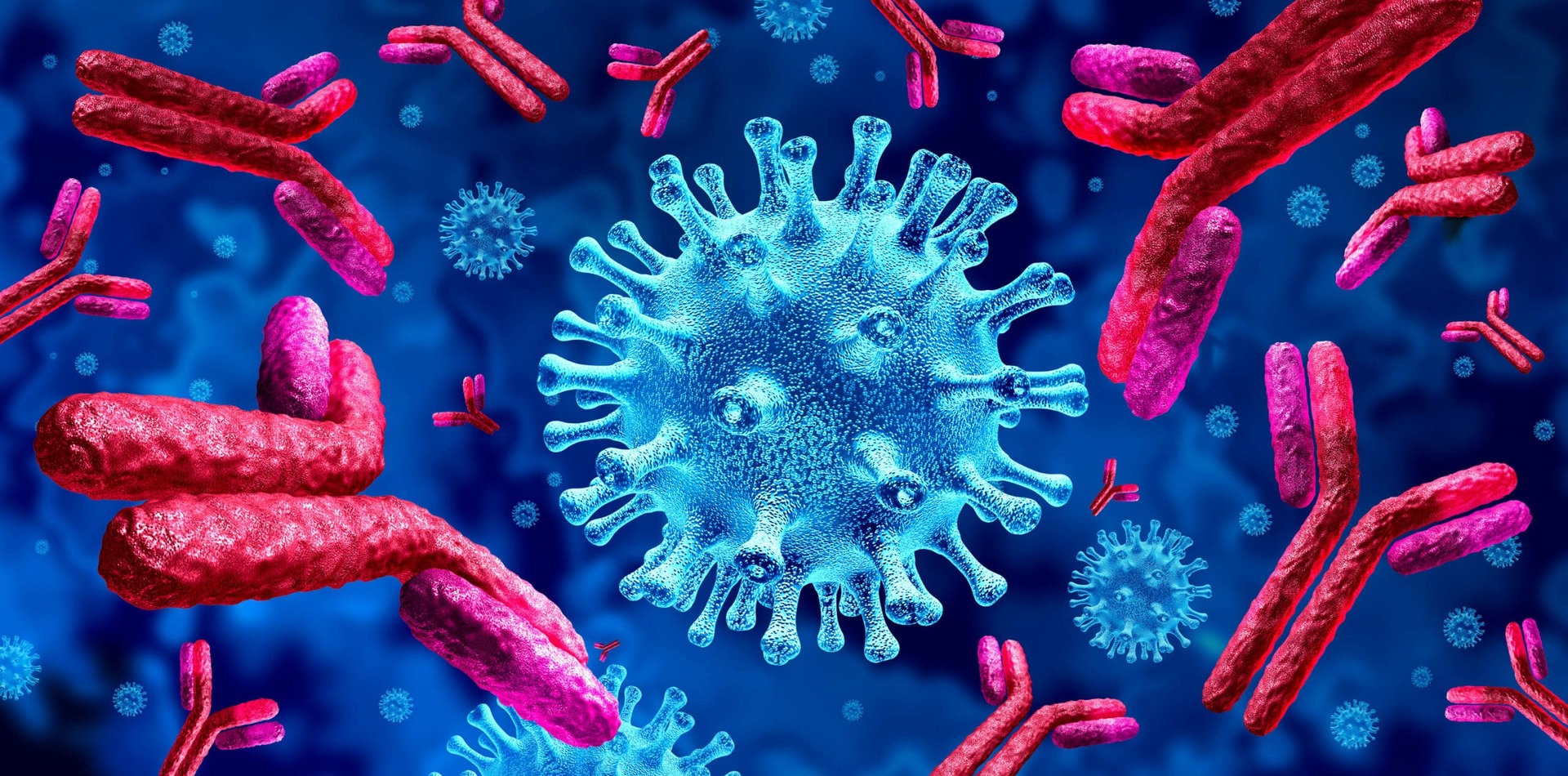
Under ideal conditions (warm, moist surfaces, with nutrients), common bacteria such as E. coli or Staphylococcus aureus can double in number roughly every 20 minutes.

That means one bacterium could multiply into 8 million cells in 8 hours — a full school day.


Desks, faucets, toilet flushes, and restroom door handles have the highest microbial counts, often exceeding 10,000 colony-forming units (CFU) per 100 cm² — a clear hygiene risk zone.


Without a systematic cleaning and disinfection program, these unseen microbes can linger on surfaces, increasing the risk of illness and compromising the health and safety of students.

School Items Spreading Germs the Most

Reasons:

Dirty hands, direct mouth contact, nose-wiping before touching buttons, and splash-back all contaminate the fountain. Stagnant water in the nozzles and infrequent deep cleaning further increase hygiene risks.

Key pathogens:

Norovirus, Rotavirus, Legionella 

Findings:

1 million bacteria/cm2 on nozzles (CDC studies); linked to 20% of school stomach bug outbreaks.

Mitigation Tips:

Installing touchless bottle fillers, daily disinfection of nozzles formulated with accelerated hydrogen peroxide.

Reasons:

Hundreds of students touch keyboards daily. Food crumbs and skin oils provide a breeding ground for bacteria, while keyboard buttons trap moisture from breaths and coughs.

Key Pathogens:

Rhinovirus (cold virus, survives 24+ hours) and Staphylococcus aureus (including MRSA risk) are commonly found on keyboards.

Findings:

Swab tests reveal up to 400 times more bacteria on keyboards than on a toilet seat, with fecal bacteria detected on 25% of school keyboards.

Mitigation Tips:

Use keyboard covers and assign personal devices where possible. The fastest and most effective solution is daily cleaning with wipes formulated with accelerated hydrogen peroxide.

Reasons:

Frequently handled, often used barefoot or in close bodily contact, and rarely cleaned between classes. Sweat, skin flakes, and shared contact points creates an ideal warm, moist environment for microbial growth.

Key Pathogens:

Staphylococcus aureus (including MRSA), various fungi (leading to athlete's foot), and viruses like the Norovirus.

Findings:

Mats harbor 8x more bacteria post-use. Pathogens survive for extended periods on non-porous surfaces like vinyl mats and rubber balls.

Mitigation Tips:

Clean with EPA-approved disinfectants after each class; use personal towels; air out mat storage

Reasons:
Food residues; trays stacked while wet; handled by many students. Self-serve lines increase touch points. Food bits left behind if not washed at a high enough temperature, creating a risk of food poisoning.

Key Pathogens:
Salmonella and E. coli if washed below 70ºC (RIVM inspections).

Findings:
FDA inspections show trays often exceed safe bacteria limits when dishwashers operate below 70ºC, contributing to foodborne illness in 15% of school cases.

Mitigation Tips:
Use high-temperature commercial dishwashers and provide hand hygiene stations.

Reasons:
Door handles are touched by countless hands throughout the day and are rarely cleaned beyond basic sweeping. High-traffic areas such as hallways and restrooms increase the risk of microbial contamination.

Key Pathogens:
SARS-CoV-2 can remain viable on surfaces for up to 72 hours, with door handles being among the highest-contact points.

Findings:
According to Environmental Health Perspectives, door handles exhibit 5–10 times greater microbial diversity compared to personal items.

Mitigation Tips:
Install antimicrobial copper coatings, clean frequently with AHP®-formulated disinfectant wipes, and consider automatic doors where feasible to reduce touchpoints.

The Cleaning Tool Paradox: When Your Supplies Spread Pathogens in Schools

Cleaning Clothes

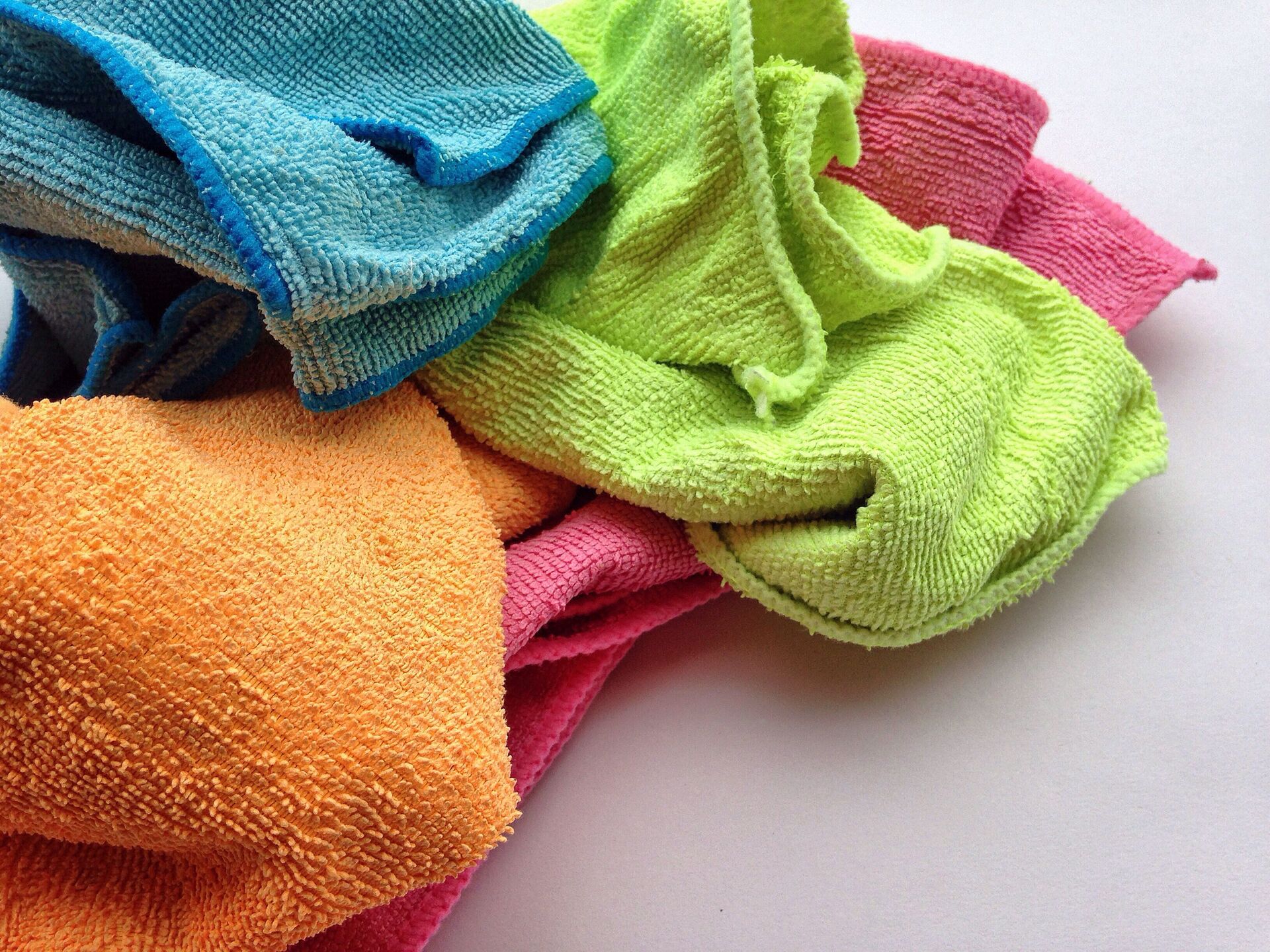
Cleaning cloths can easily become contaminated with bacteria, allowing microorganisms to remain trapped within the fibres. When these cloths are reused on different surfaces without proper washing, disinfection, or rotation, they can spread germs and cause cross-contamination.
Manual Mop Systems

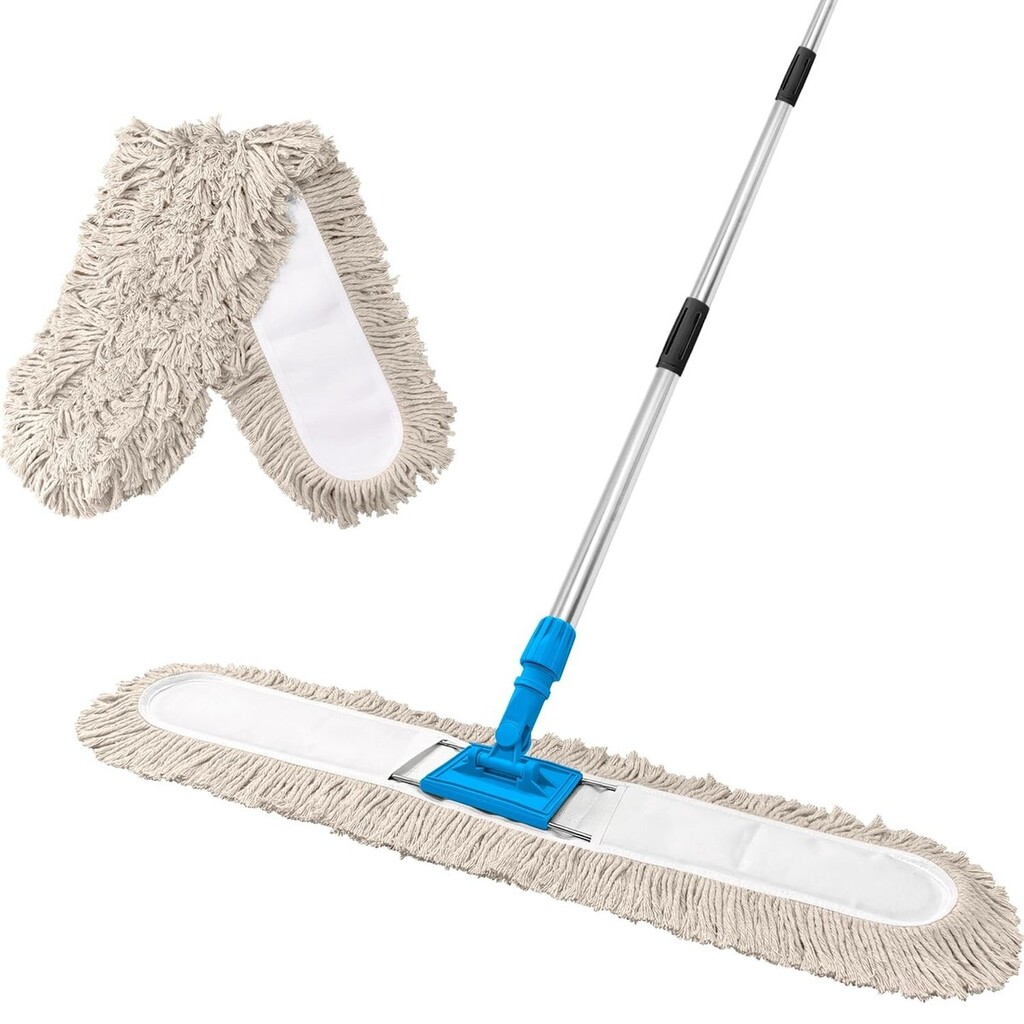
Dirty mops can trap and spread harmful bacteria like Staphylococcus aureus and E. coli. Damp mop fibres provide an ideal environment for bacterial growth, allowing pathogens to multiply and transfer to multiple surfaces during routine cleaning.
Dirty Solutions in Buckets

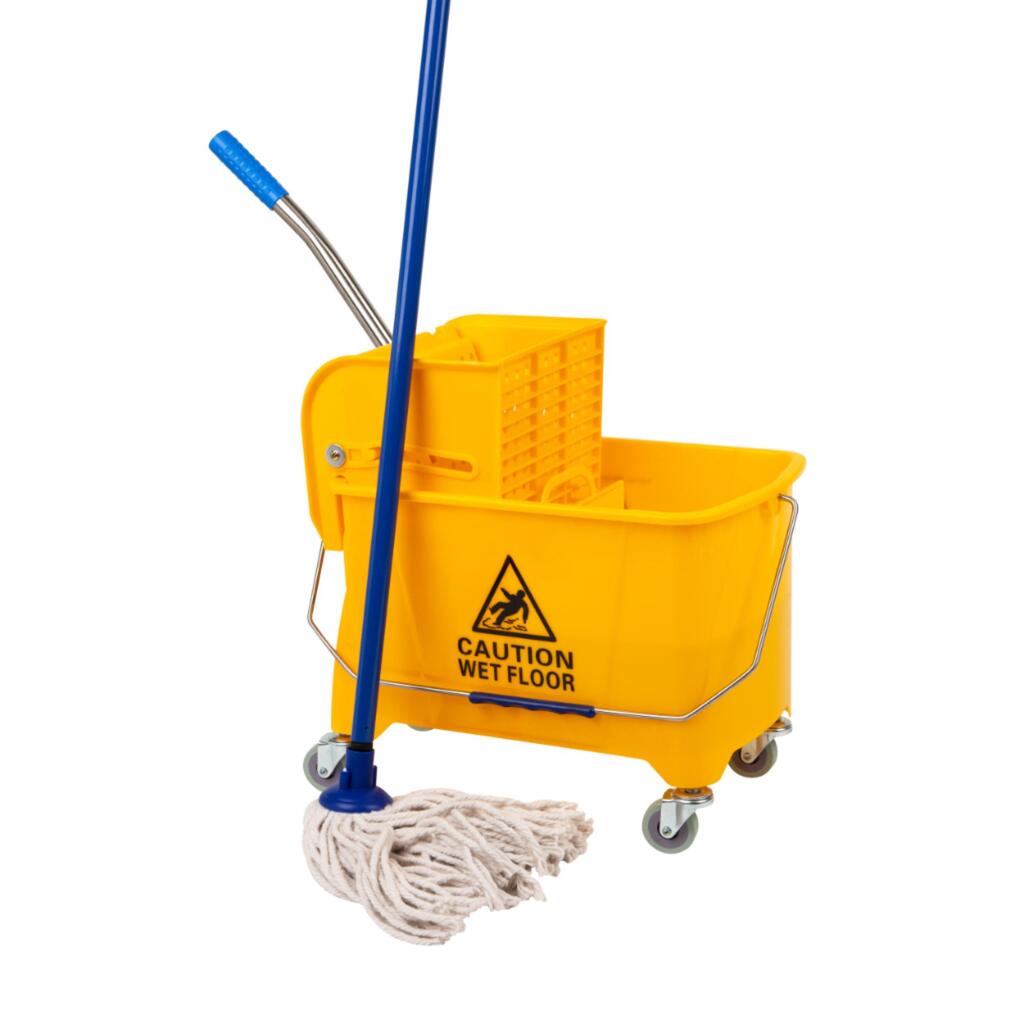
Dirty mop water can turn cleaning into contamination, while wet floors increase the risk of slips and falls in schools. As bacteria and germs build up in mop buckets, they spread across floors and surfaces, putting students’ health and safety at risk.
Refillable Soap Dispenser

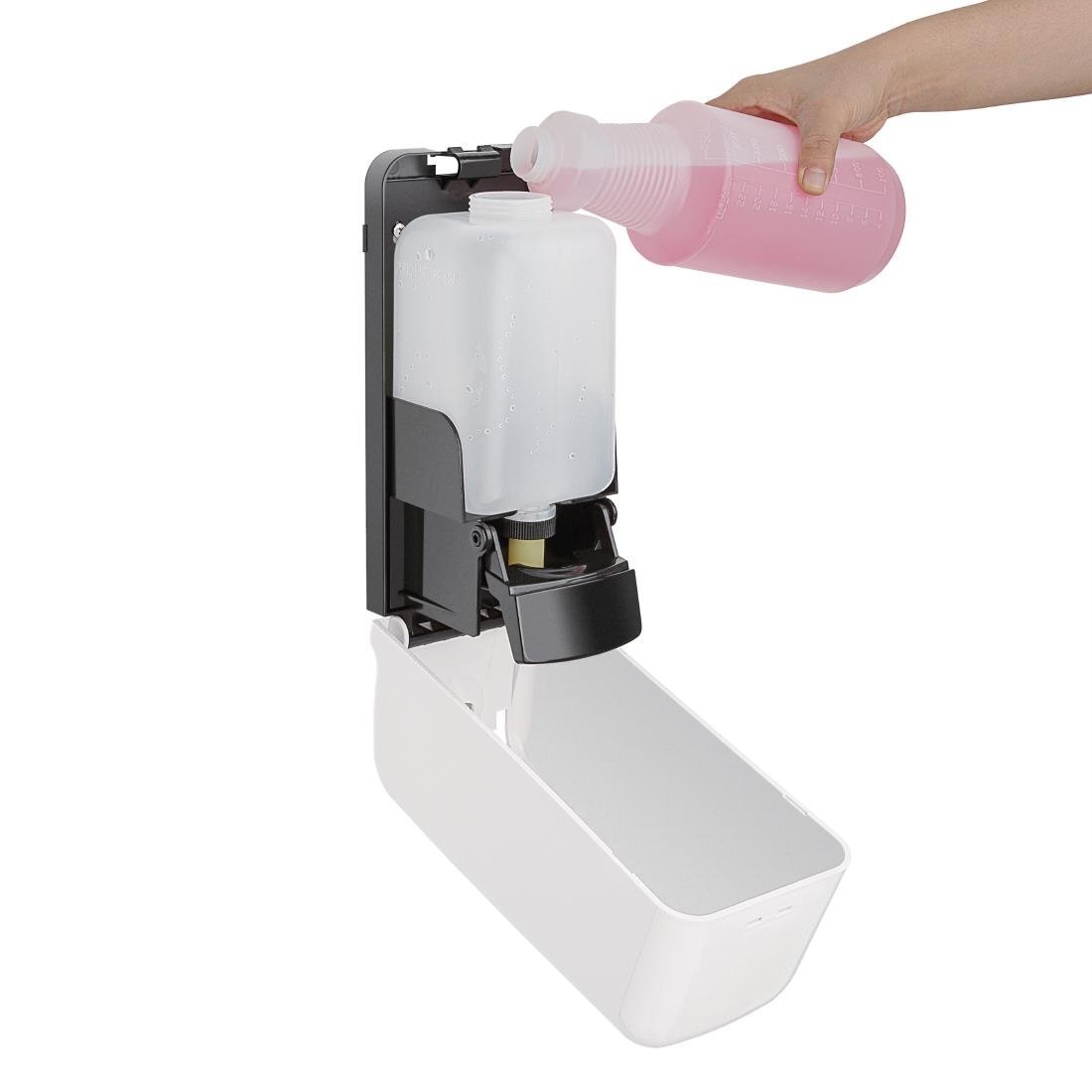
1 in 4 refillable soap dispensers are contaminated due to their open-system design, making them a hidden source of harmful germs. During refilling, soap can be exposed to airborne pathogens, hand contact, and foreign particles. The integrated nozzle cannot be effectively cleaned or replaced, allowing bacteria to accumulate over time. 

Top 5 Actions to Minimise Infection Risks

Harmful bacteria and viruses can survive and multiply on surfaces anytime, anywhere, making classrooms and common areas potential hotspots for the spread of infections. Pathogens can transfer from desks, chairs, toys, and learning materials to students’ hands, contributing to respiratory illnesses, gastrointestinal infections, and skin conditions. 


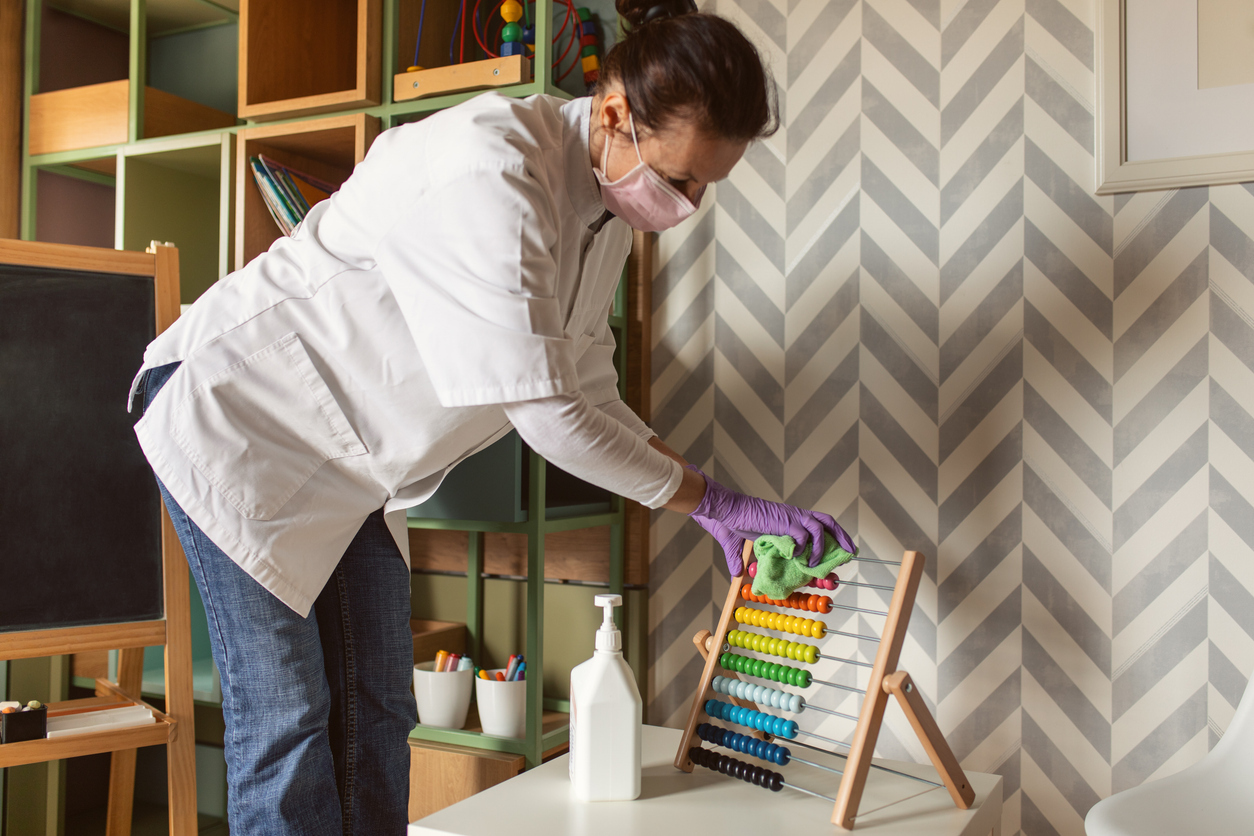
Daily cleaning and disinfection of high-touch, high-risk surfaces and classroom toys is essential. The crux of this daily process is using a one-step, fast-acting, no-rinse disinfectant cleaner that is effective against a broad spectrum of pathogens.


Learn which cleaning product can eliminate HIV, HBV, HCV, influenza, poliovirus, and adenovirus in seconds while remaining safe for people and use on toys. 

The 30-second rule for handwashing can be challenging for little hands. Insufficient rinsing of soap containing synthetic ingredients may leave chemical residues on the skin, potentially causing irritation.


Integration of reliable personal hygiene stations with non-touch cartridge systems, equipped with dermatologically tested antimicrobial hand soap and skin-friendly instant hand sanitizer, can make a significant difference in infection prevention.

Hand Hygiene: Proper handwashing steps, how and when to use hand sanitizers.

Environmental Hygiene: Defining high-risk areas, safe use of cleaning agents and disinfectants, risks of cross-contamination from shared surfaces.

Food Hygiene: Safe handling and storage of school meals, sanitizing of utensils, tables, and food prep areas, Awareness of foodborne pathogens.

Infection Awareness: How infections spread, recognizing early signs of illness and potential outbreaks 


Learn where pathogens commonly remain on the hands after inadequate handwashing, and understand the essential steps required for proper hand hygiene.

Good ventilation / indoor air quality policies to reduce respiratory spread. Disinfection of ventilation systems kills microbes and prevents mold proliferation, maintaining safe indoor environments.


Dust, mold, and microbes in ventilation ducts can harbor bacteria, viruses, fungi, pollen, and allergens. When circulated, they reduce air quality, trigger allergies, asthma, and respiratory issues, and can affect concentration and learning. Moisture in ventilation systems also escalates mold growth, posing additional health risks.


Using a HEPA-filtered vacuum cleaner capture small particles (e.g., allergens, dander) that can re-circulate through the air. 

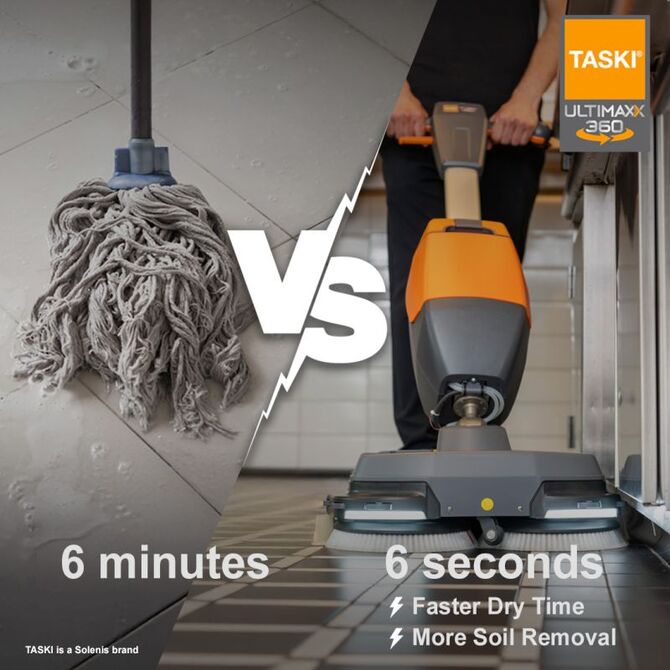
Automatic scrubbers clean floors without kicking up dust and reduce the cross-contamination risks commonly associated with traditional sweeping and mopping.

A checklist for critical control points (CCPs), combined with strict monitoring, is essential to ensure the complete and timely implementation of hygiene programs in schools. 


Critical control points are specific areas or practices where lapses in hygiene can lead to the highest risk of infection spread, such as:  Handwashing stations, High-touch surfaces, Food handling areas, Restrooms, Ventilation systems 


Regular checks should include:

Daily audits using standardized checklists.

Verification of cleaning and disinfection schedules.

Documentation of corrective actions when issues are detected.

Staff accountability and training reinforcement.

Cleaning & Disinfection Challenges in Schools

Why Daytime Disinfection is Needed?

Pathogens don’t take breaks—throughout the school day they multiply rapidly in toilets, kitchens, food prep areas, classrooms, and other high-touch zones, creating a fast path for cross-contamination among students and staff. In active school hours, microbial levels on surfaces can rise from a few hundred (Log 2–3) to millions (Log 6+) as bacteria double every 20–30 minutes. At these higher levels, infectious pathogens like norovirus, MRSA, and influenza can spread with a single touch, sharply increasing the risk of outbreaks. Relying only on end-of-day cleaning may be too late—regular, periodic disinfection throughout the day is critical to keep school environments safe.


The longer you wait, the more dangerous your surfaces become.

What Makes Daytime Disinfection Challenging?

The biggest challenge in achieving effective daytime disinfection is the necessity of strict protocol adherence in busy, time-pressured environments. Scientific studies confirm that traditional disinfectants often require a wet contact time (dwell time) of up to 10 minutes to neutralize hardier pathogens, such as norovirus.


 Furthermore, the two-step process—where surfaces must first be pre-cleaned to remove organic soil before the disinfectant is applied—means that cleaning teams essentially perform two tasks per surface, which doubles the labor time


This procedural burden is reflected in compliance audits, which show that adherence to the contact time in busy settings often falls below 50%. This means that even when disinfectants are used, they fail to kill the target pathogens due to insufficient exposure, rendering the entire effort ineffective and leaving microbial risks unaddressed throughout the school day.
The Hidden Costs of Poor Hygiene

Spread of infection: Higher absenteeism often signals that infectious diseases (e.g., flu, COVID-19, norovirus) are circulating in the school environment.

Health authority involvement: Local health departments may intervene, requiring reporting, contact tracing, testing, or temporary closures.

Enhanced protocols: The school might need to increase sanitization and ventilation.

Learning loss: Students miss critical instruction time, affecting performance and grades.

Teacher absenteeism: Infections can also impact staff, leading to disrupted lessons or substitute teachers.

Shift to remote learning: If absenteeism is widespread, the school may temporarily move to hybrid or online classes.

Policy review: The school may revise attendance, sick leave, and remote learning policies.

Scheduling adjustments: Exams, extracurriculars, or events may be postponed.

Increased workload: Administrators and nurses must manage communication with families, track absences, and report data to authorities.

Parental perception: A school perceived as unsafe or poorly managed during outbreaks can lose credibility.

Enrollment impact: Prospective families may reconsider admissions if outbreaks are recurrent.

Public scrutiny: Local media or parent networks might amplify concerns about infection control.

Why TASKI ULTIMAXX 360is a Perfect Solution for Floor Hygiene 


The ULTIMAXX 360 can be equipped with IntelliBac components, where critical parts (like the clean solution tank and recovery tank) are made with plastic infused with a silver-based antimicrobial


This technology inhibits bacterial growth “24/7,” helping to minimize cross-contamination risks from the machine itself. Lab tests (ISO 22196) show up to 99.99% reduction of bacteria (e.g. E. coli and Staph. aureus) on these antimicrobial-treated surfaces. 

A Perfect Solution for Hand Hygiene:
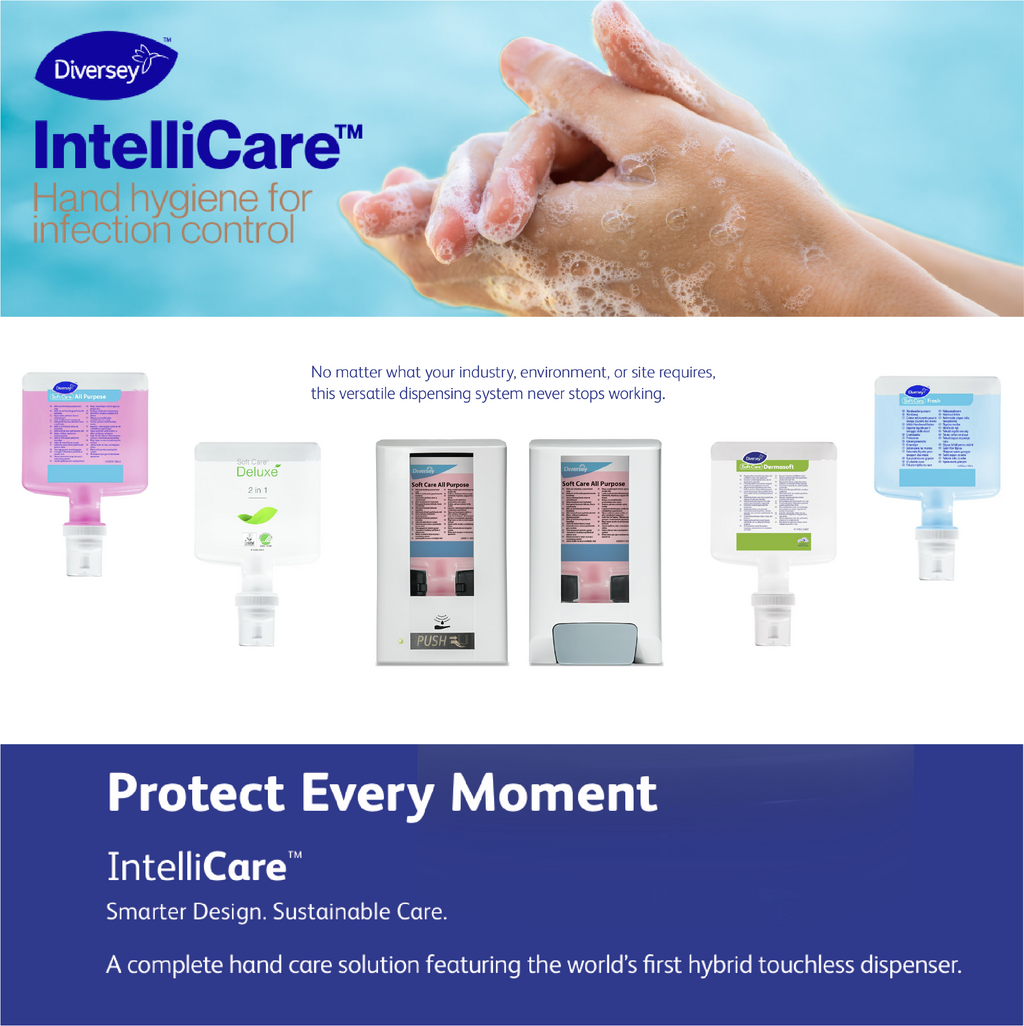
Intellicare

Using contaminated soap inside refillable dispensers can leave up to 25 times more bacteria on hands, defeating the purpose of hand hygiene.


Research: Evaluation and remediation of bulk soap dispensers for biofilm - PubMed
Explore Why Intellicare   is Trusted in Healthcare

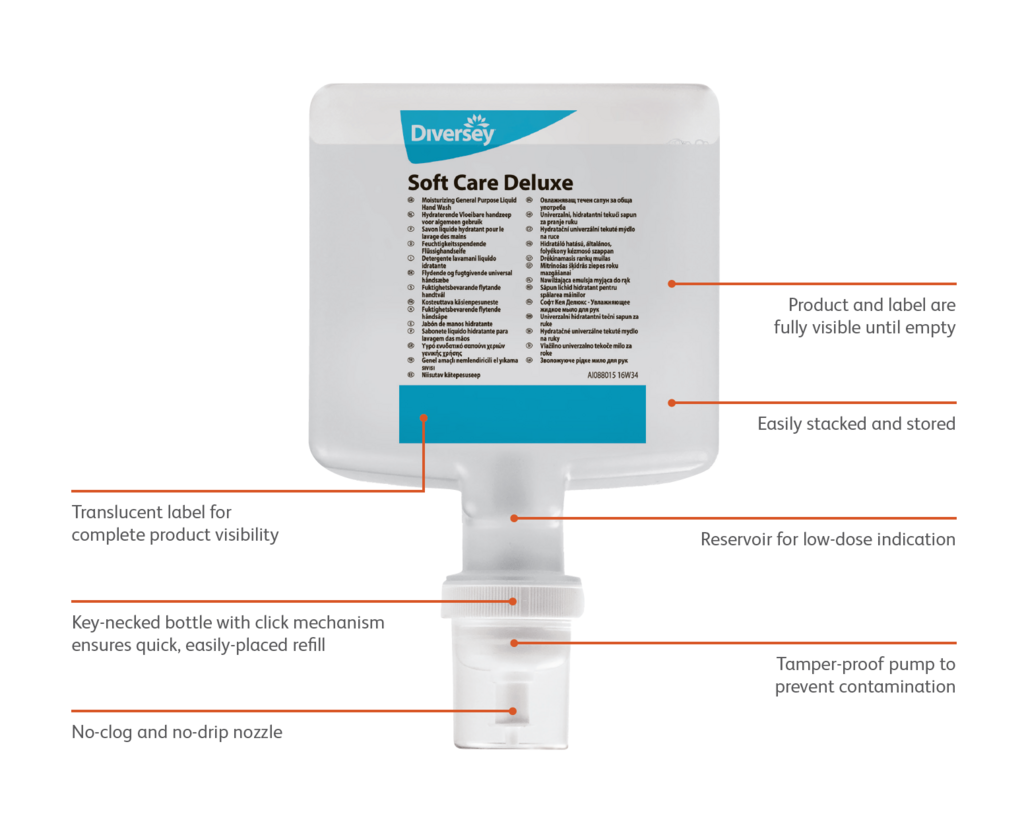
Unlike traditional (manual or automatic) soap dispensers, the Intellicare system is designed without a fixed dispensing nozzle—a part that typically cannot be cleaned or replaced and is prone to harbour harmful microorganisms.


The Intellicare system comes with single-use cartridges that feature an integrated nozzle. Each new cartridge ensures you eliminate bacteria accumulation and dramatically reduce the risk of cross-contamination.


The closed cartridge system keeps the liquid completely unreachable for airborne germs. Furthermore, the locked packaging prevents incorrect refilling or the use of expired or incompatible liquid soaps.


The Intellicare system allows for minimal, accurate dosing, making it highly competitive on the market and directly supporting your cost-controlling efforts.

Why is OXIVIRthe Best Solution

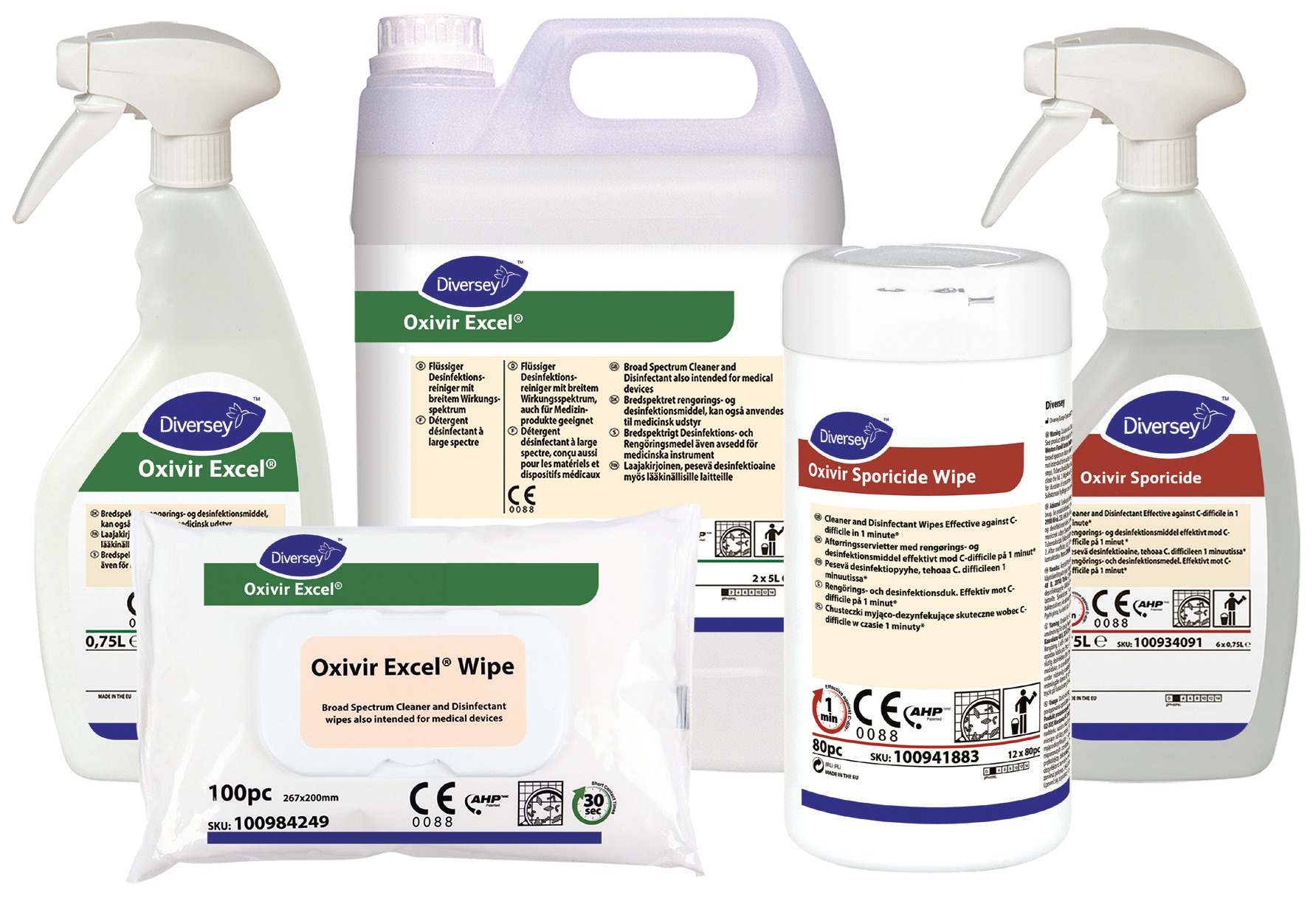
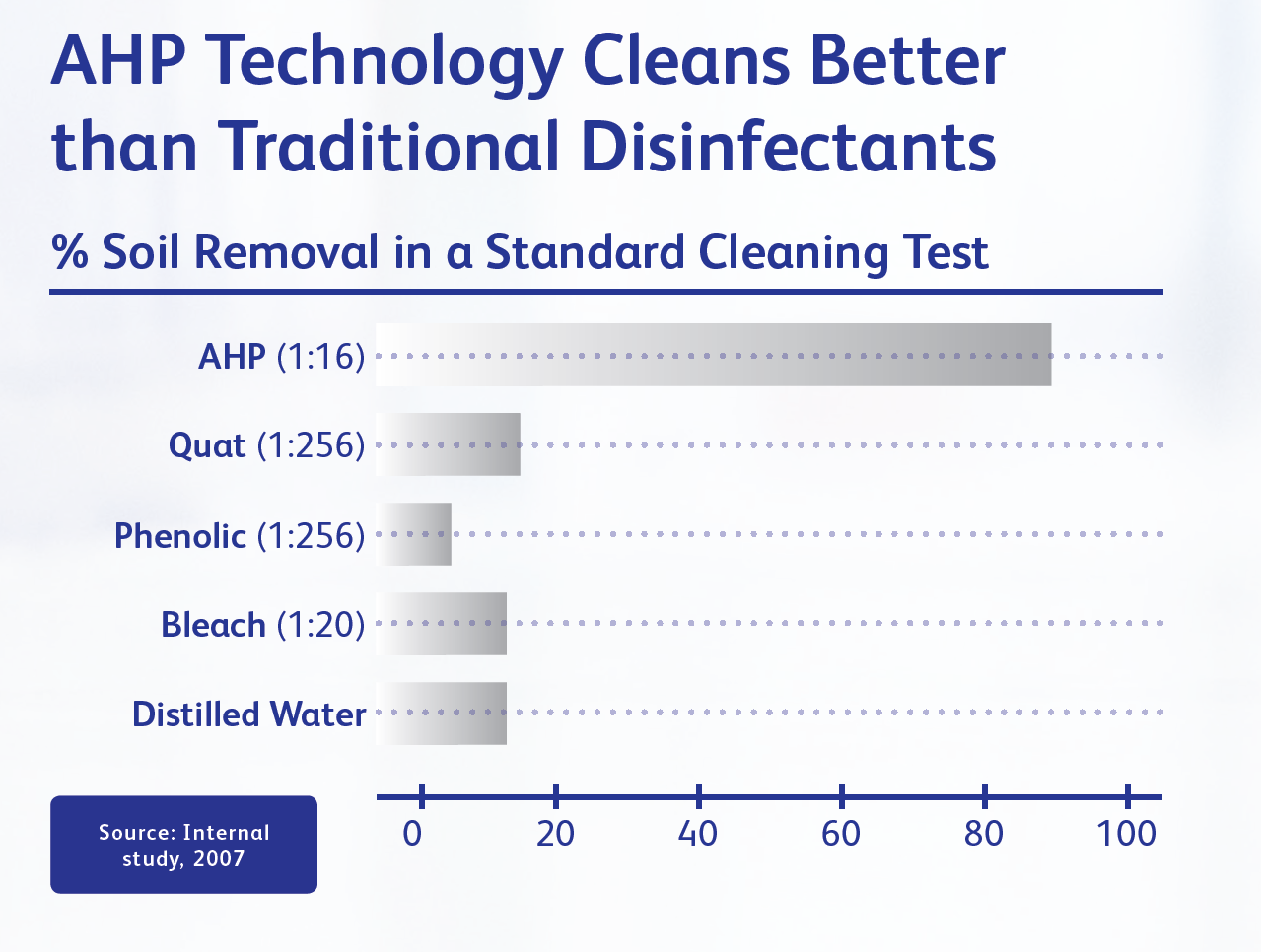
Oxivir® is one of the most advanced one-step cleaning and disinfection solutions available, delivering fast, effective performance without leaving chemical residue or synthetic odors on surfaces. Powered by patented Accelerated Hydrogen Peroxide (AHP®), it removes dirt efficiently and kills viruses in as little as 30 seconds. 


The active ingredient breaks down into environmentally friendly water and oxygen within minutes of application. Ready-to-use Oxivir® disinfectant cleaners are formulated with user safety in mind—they are non-corrosive, non-irritating to skin and eyes, and safe to use without personal protective equipment.

Rapid Virus Protection Pack for Schools

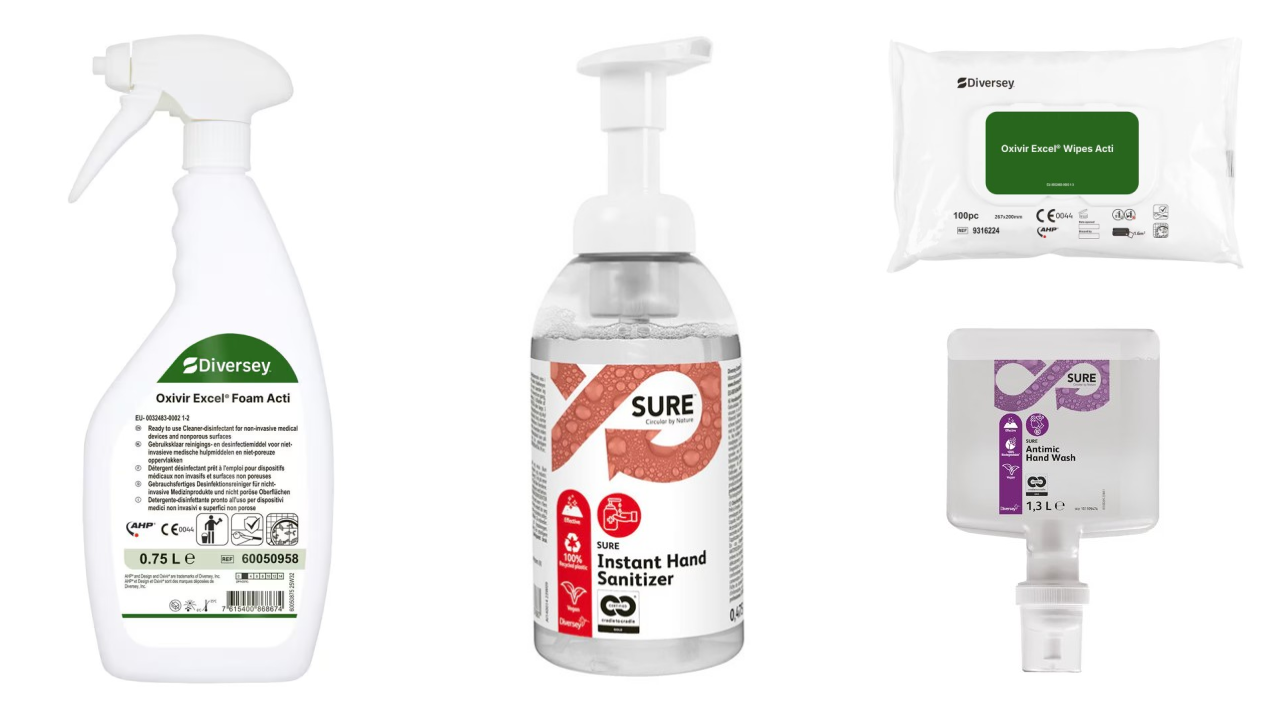
This professional hygiene pack includes four high-performance products designed to deliver immediate surface and hand sanitation. It supports schools in reducing cross-contamination of bacteria and viruses, particularly during outbreak situations. Proven to eliminate viruses within seconds, the formulations combine rapid efficacy with a skin-friendly, surface-safe profile, ensuring both safety and reliability in daily use.