Driving Sustainable Transformation Together
Children naturally have more vulnerable immune systems, making them especially prone to infections. Spending 7–8 hours a day in close-contact school environments—learning, playing, socialising, and exploring—means their well-being is deeply shaped by the conditions around them. Each school year, countless students lose valuable classroom time due to the rapid spread of bacteria and viruses. Prioritising children’s health by setting high standards of hygiene in schools is essential to support consistent learning and ensure every student can thrive.
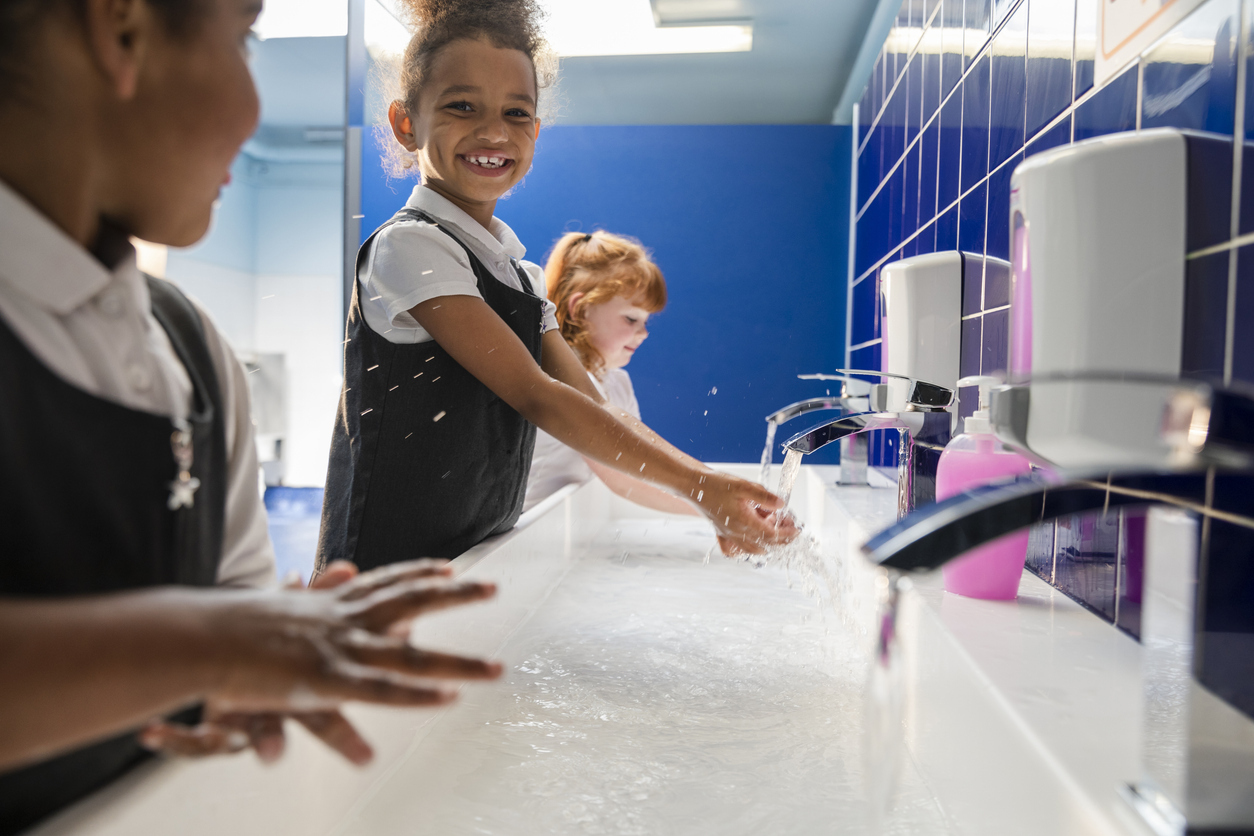
Harmful microorganisms can naturally colonise, grow, and spread throughout school environments, much like they do in healthcare facilities. While cleaning staff often focus on expected areas such as toilet bowls, floors, desks, and tables, many hidden germ hotspots are frequently overlooked.
A study published in the Journal of Applied Microbiology measured how quickly bacterial and fungal communities re-colonize school surfaces after cleaning. OUP Academic
The research used techniques like qPCR and DNA sequencing to show that even after cleaning, microbial communities on desks and other surfaces can rebound, making frequent and effective cleaning key.
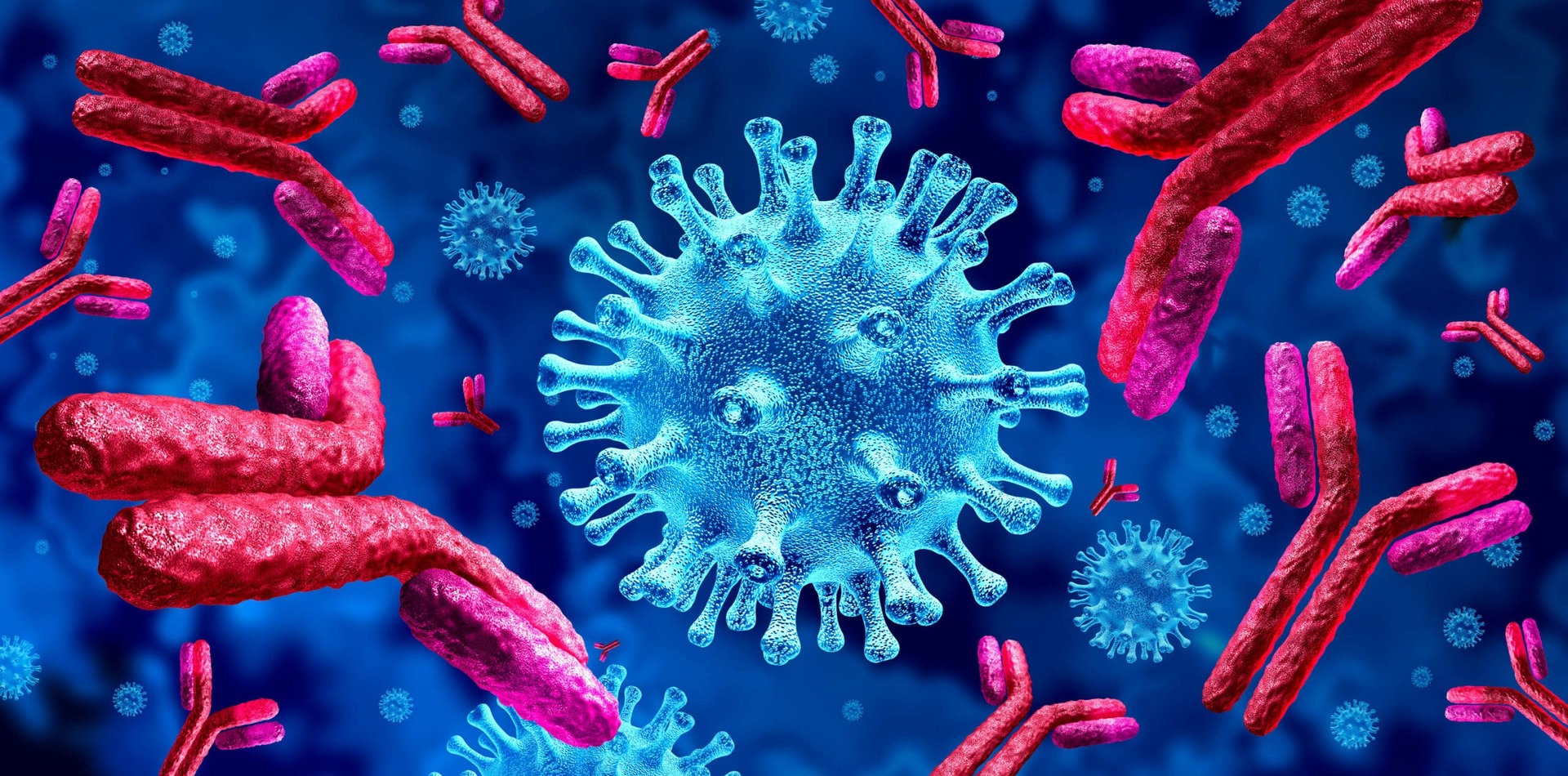
Under ideal conditions (warm, moist surfaces, with nutrients), common bacteria such as E. coli or Staphylococcus aureus can double in number roughly every 20 minutes.
That means one bacterium could multiply into 8 million cells in 8 hours — a full school day.
Desks, faucets, toilet flushes, and restroom door handles have the highest microbial counts, often exceeding 10,000 colony-forming units (CFU) per 100 cm² — a clear hygiene risk zone.
Without a systematic cleaning and disinfection program, these unseen microbes can linger on surfaces, increasing the risk of illness and compromising the health and safety of students.
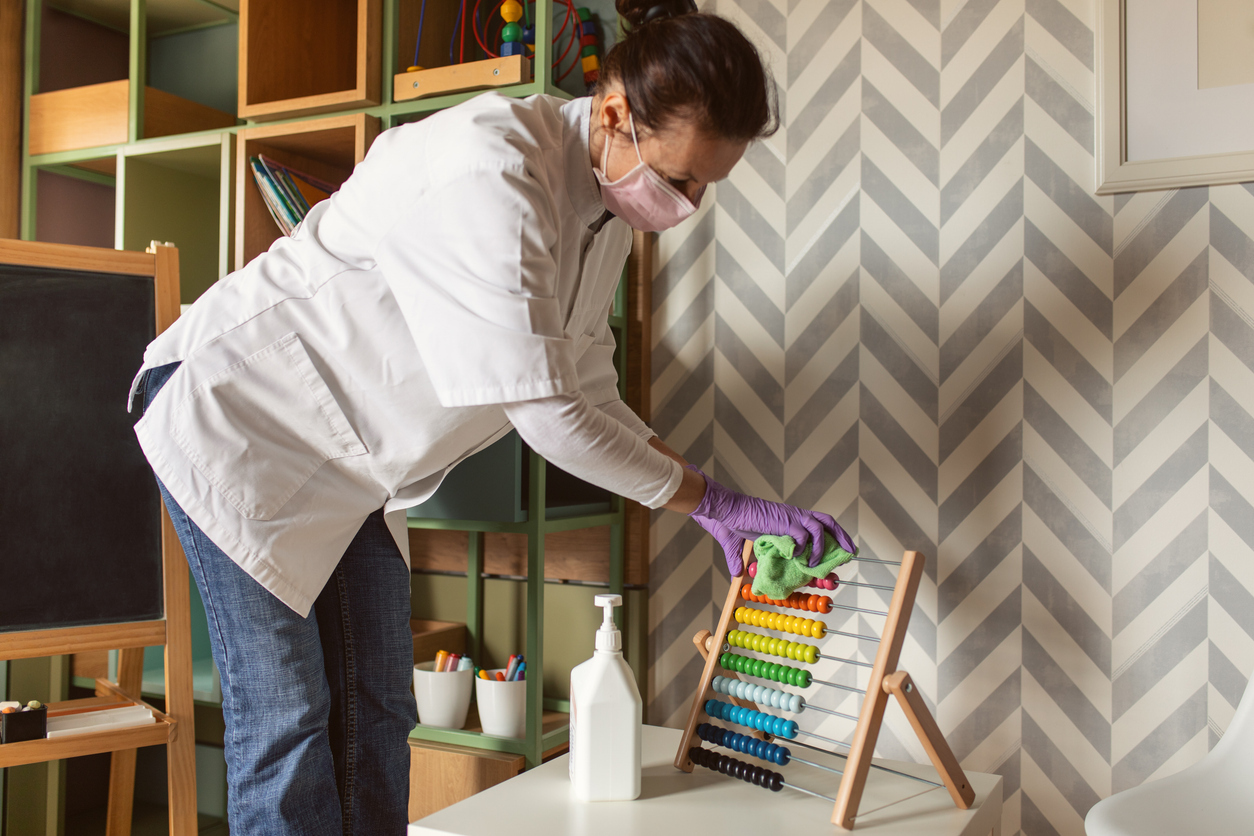
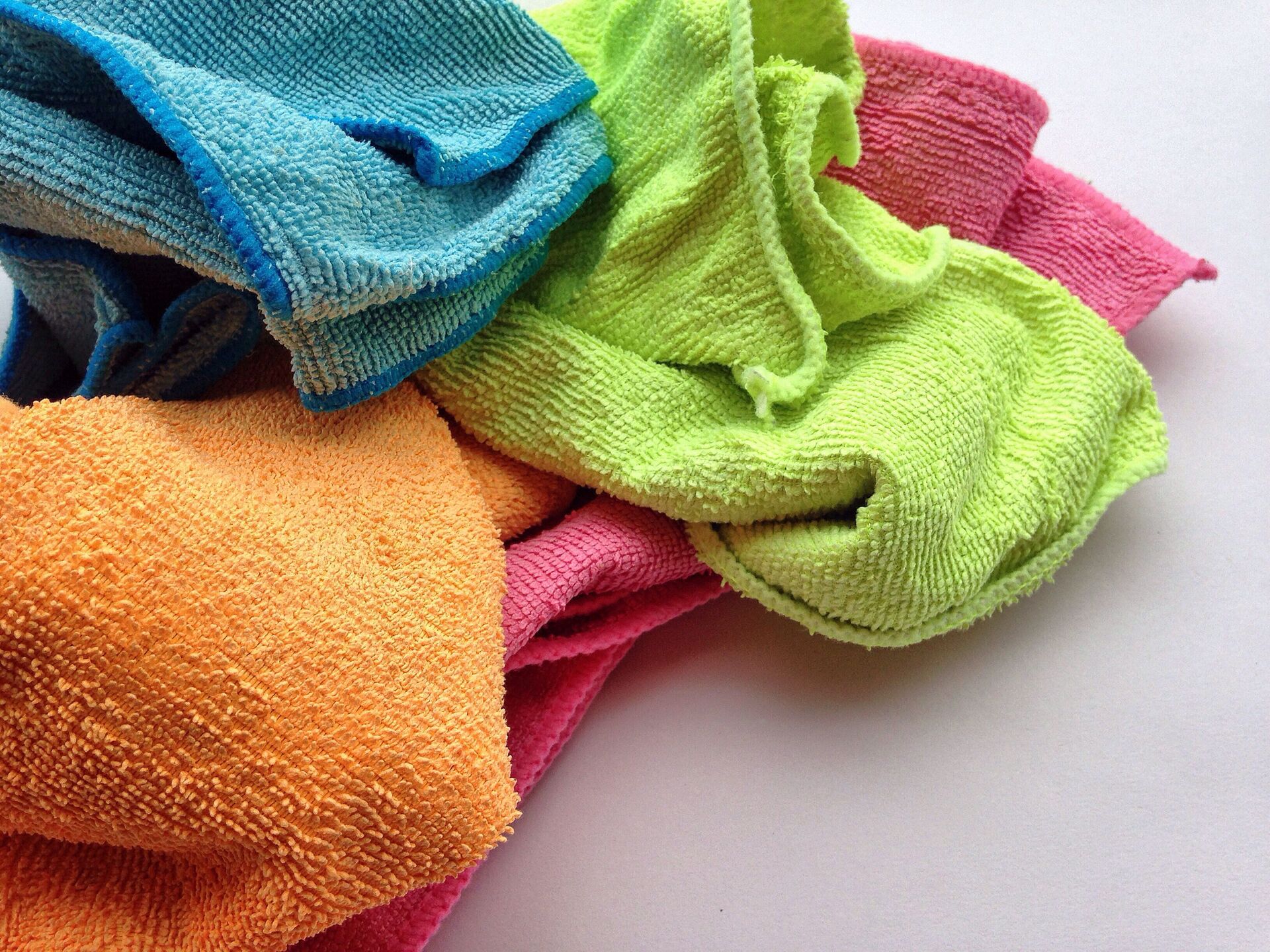
Cleaning cloths can easily become contaminated with bacteria, allowing microorganisms to remain trapped within the fibres. When these cloths are reused on different surfaces without proper washing, disinfection, or rotation, they can spread germs and cause cross-contamination.
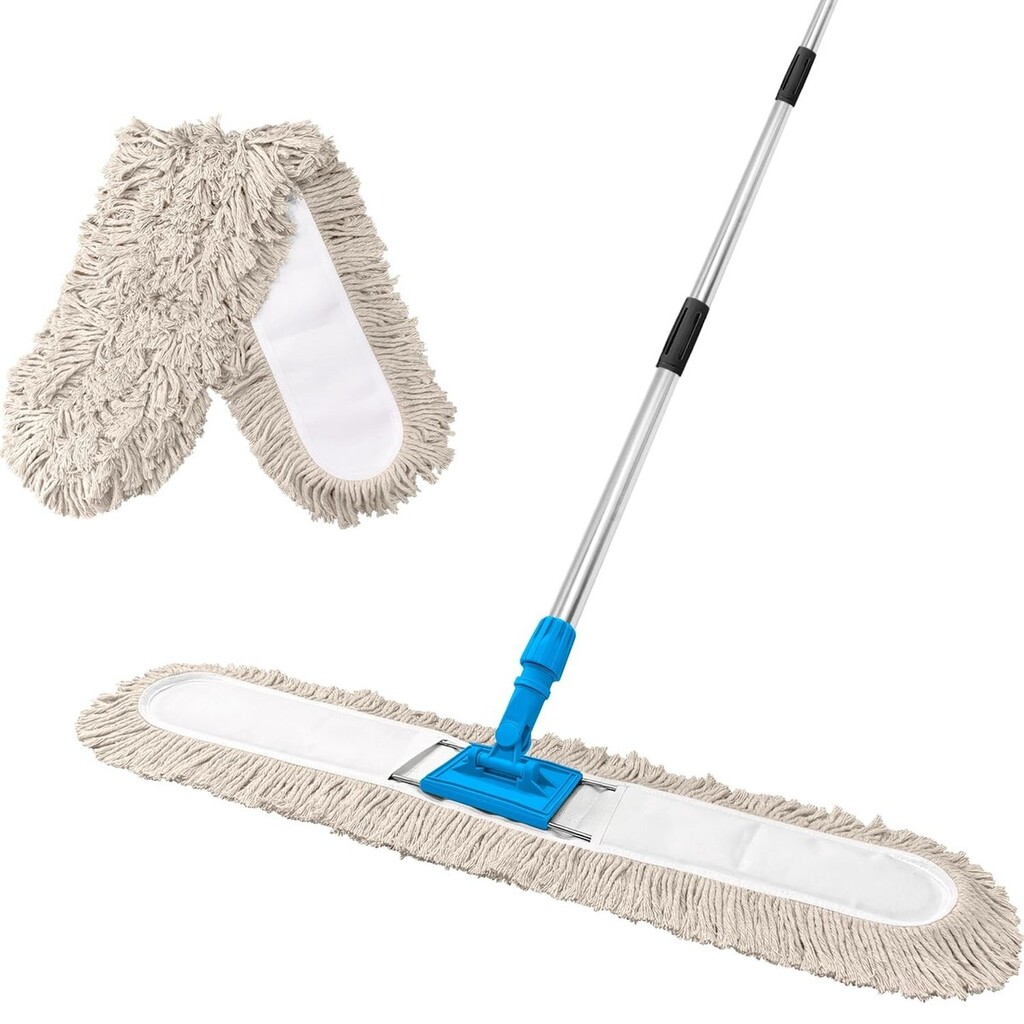
Dirty mops can trap and spread harmful bacteria like Staphylococcus aureus and E. coli. Damp mop fibres provide an ideal environment for bacterial growth, allowing pathogens to multiply and transfer to multiple surfaces during routine cleaning.
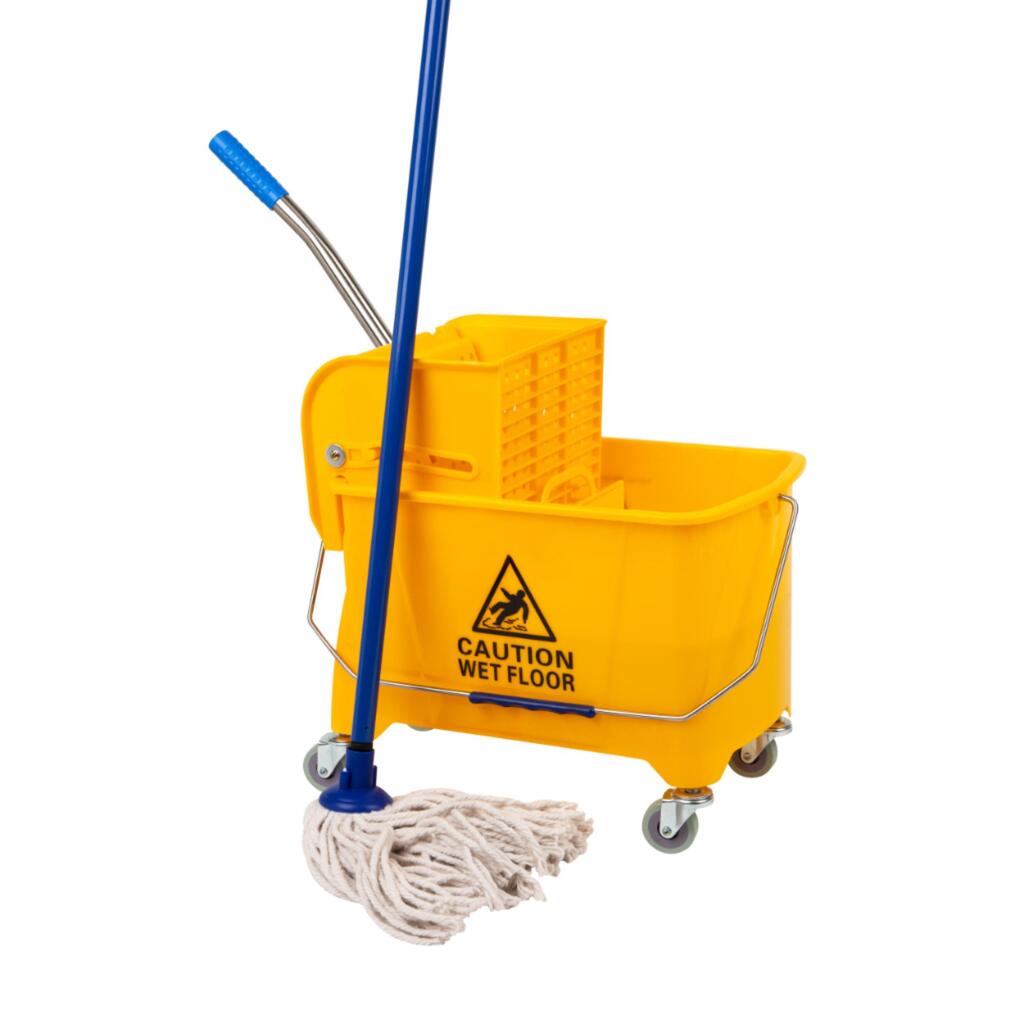
Dirty mop water can turn cleaning into contamination, while wet floors increase the risk of slips and falls in schools. As bacteria and germs build up in mop buckets, they spread across floors and surfaces, putting students’ health and safety at risk.
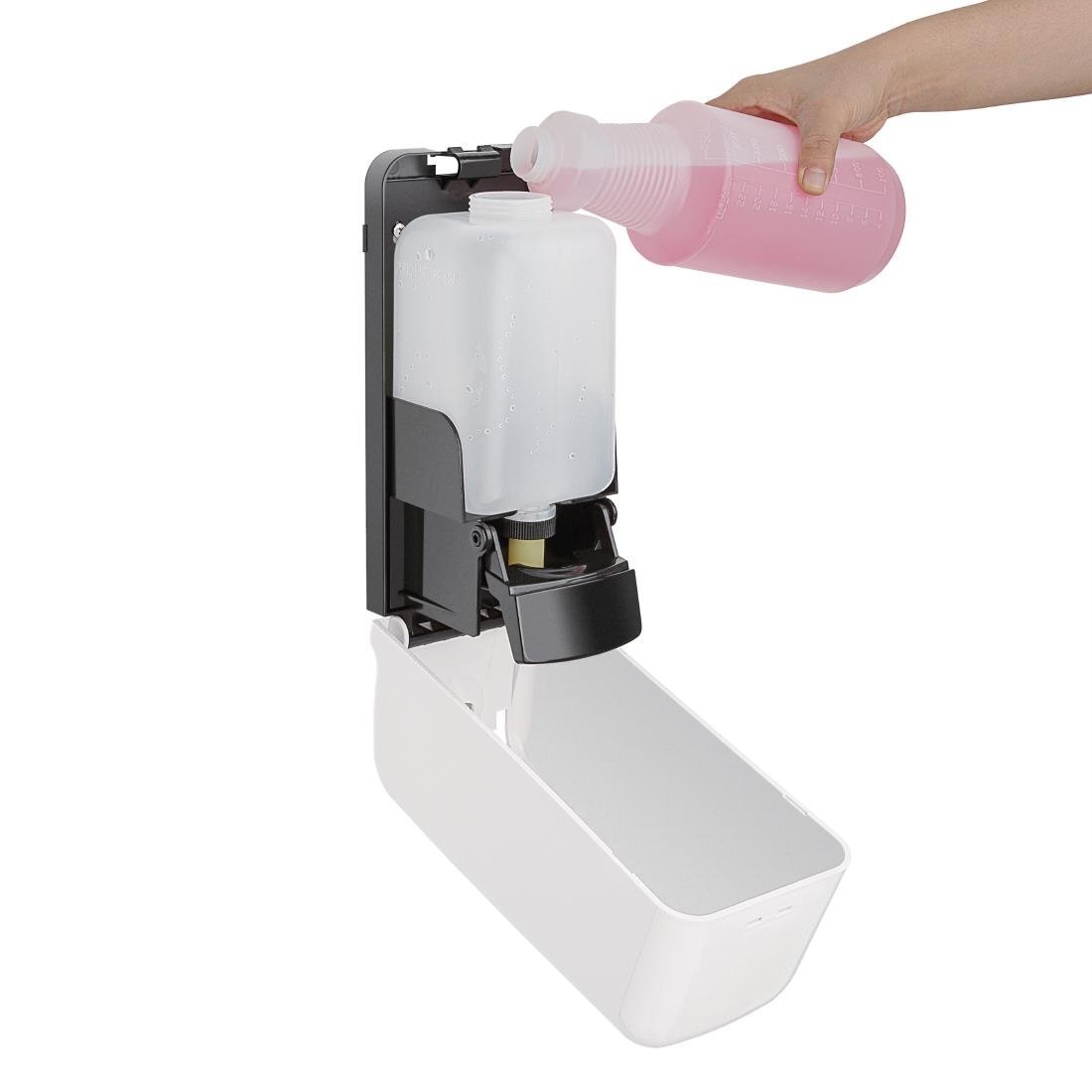
1 in 4 refillable soap dispensers are contaminated due to their open-system design, making them a hidden source of harmful germs. During refilling, soap can be exposed to airborne pathogens, hand contact, and foreign particles. The integrated nozzle cannot be effectively cleaned or replaced, allowing bacteria to accumulate over time.
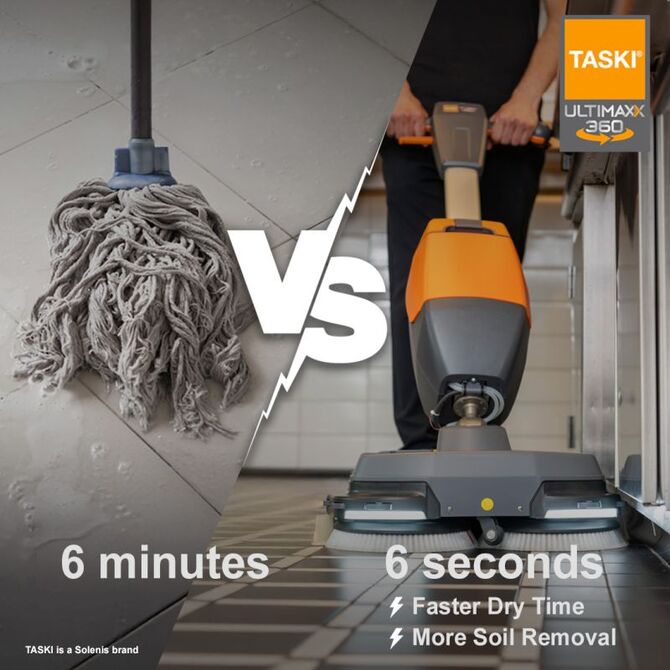
The ULTIMAXX 360 can be equipped with IntelliBac components, where critical parts (like the clean solution tank and recovery tank) are made with plastic infused with a silver-based antimicrobial.
This technology inhibits bacterial growth “24/7,” helping to minimize cross-contamination risks from the machine itself. Lab tests (ISO 22196) show up to 99.99% reduction of bacteria (e.g. E. coli and Staph. aureus) on these antimicrobial-treated surfaces.
Using contaminated soap inside refillable dispensers can leave up to 25 times more bacteria on hands, defeating the purpose of hand hygiene.
Research: Evaluation and remediation of bulk soap dispensers for biofilm - PubMed
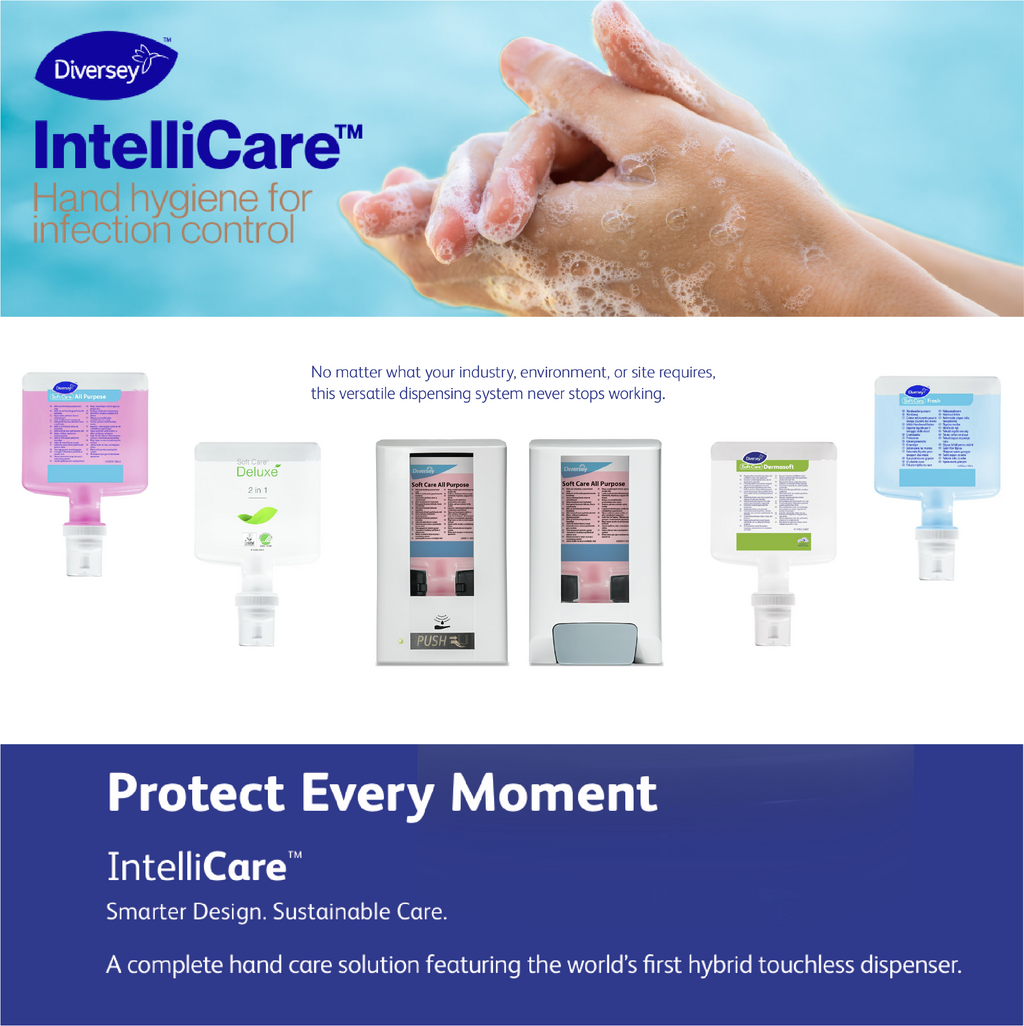
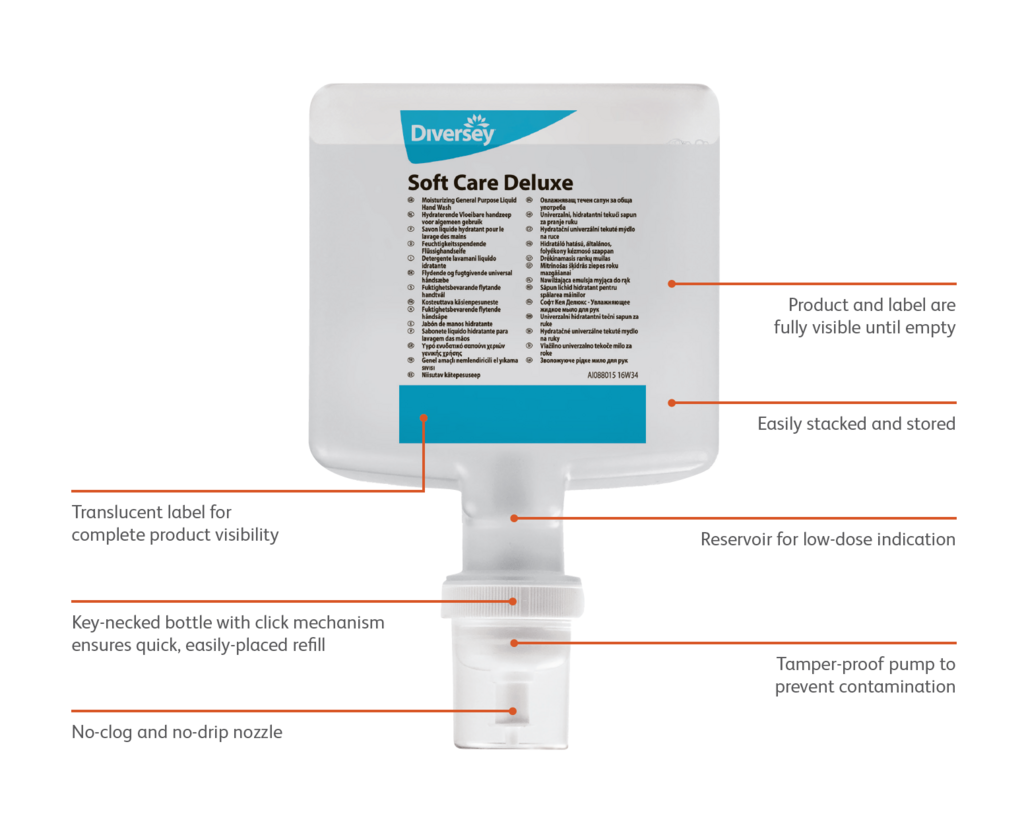
Unlike traditional (manual or automatic) soap dispensers, the Intellicare system is designed without a fixed dispensing nozzle—a part that typically cannot be cleaned or replaced and is prone to harbour harmful microorganisms.
The Intellicare system comes with single-use cartridges that feature an integrated nozzle. Each new cartridge ensures you eliminate bacteria accumulation and dramatically reduce the risk of cross-contamination.
The closed cartridge system keeps the liquid completely unreachable for airborne germs. Furthermore, the locked packaging prevents incorrect refilling or the use of expired or incompatible liquid soaps.
The Intellicare system allows for minimal, accurate dosing, making it highly competitive on the market and directly supporting your cost-controlling efforts.
Pathogens don’t take breaks—throughout the school day they multiply rapidly in toilets, kitchens, food prep areas, classrooms, and other high-touch zones, creating a fast path for cross-contamination among students and staff. In active school hours, microbial levels on surfaces can rise from a few hundred (Log 2–3) to millions (Log 6+) as bacteria double every 20–30 minutes. At these higher levels, infectious pathogens like norovirus, MRSA, and influenza can spread with a single touch, sharply increasing the risk of outbreaks. Relying only on end-of-day cleaning may be too late—regular, periodic disinfection throughout the day is critical to keep school environments safe.
The longer you wait, the more dangerous your surfaces become.
The biggest challenge in achieving effective daytime disinfection is the necessity of strict protocol adherence in busy, time-pressured environments. Scientific studies confirm that traditional disinfectants often require a wet contact time (dwell time) of up to 10 minutes to neutralize hardier pathogens, such as norovirus.
Furthermore, the two-step process—where surfaces must first be pre-cleaned to remove organic soil before the disinfectant is applied—means that cleaning teams essentially perform two tasks per surface, which doubles the labor time.
This procedural burden is reflected in compliance audits, which show that adherence to the contact time in busy settings often falls below 50%. This means that even when disinfectants are used, they fail to kill the target pathogens due to insufficient exposure, rendering the entire effort ineffective and leaving microbial risks unaddressed throughout the school day.
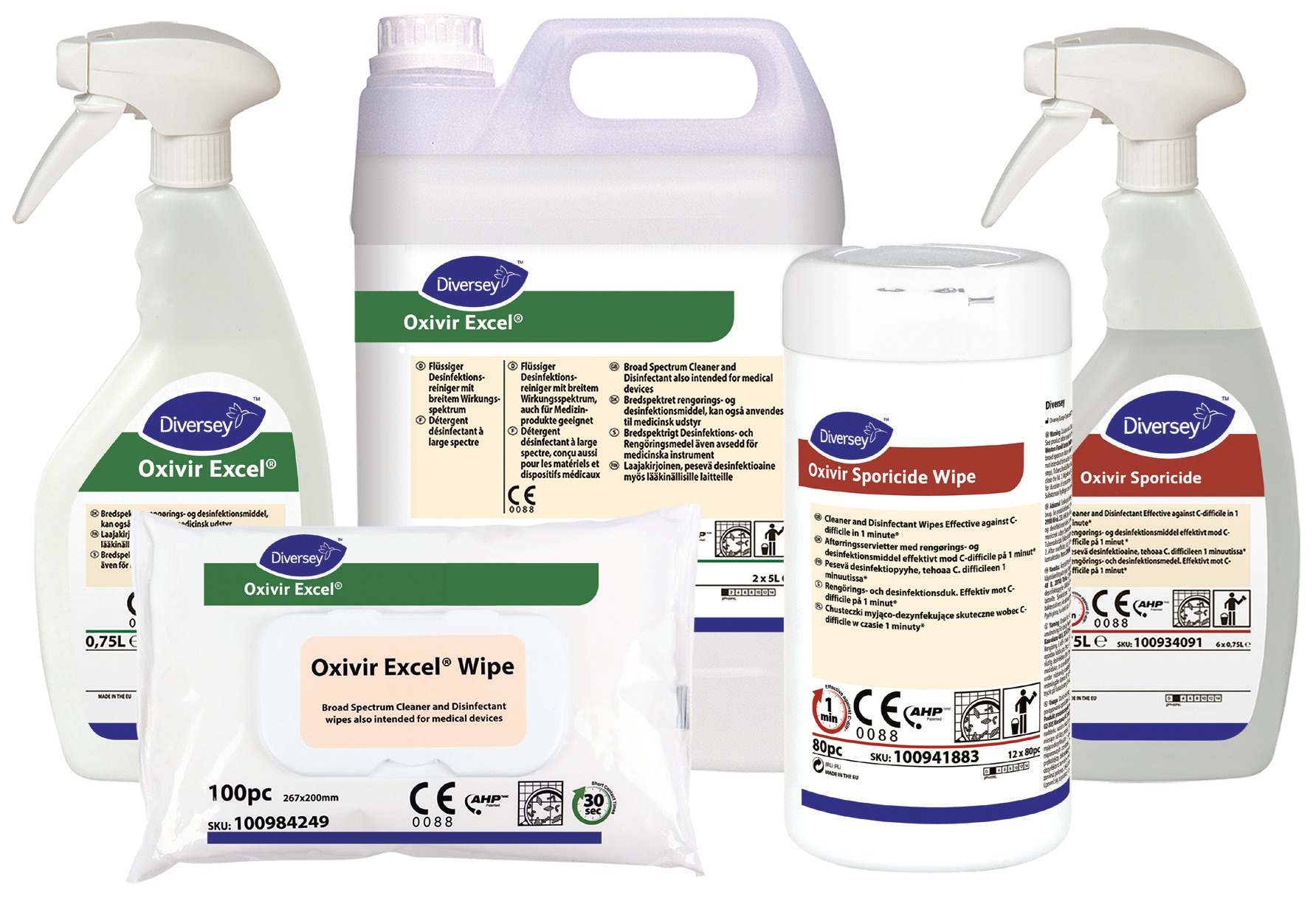
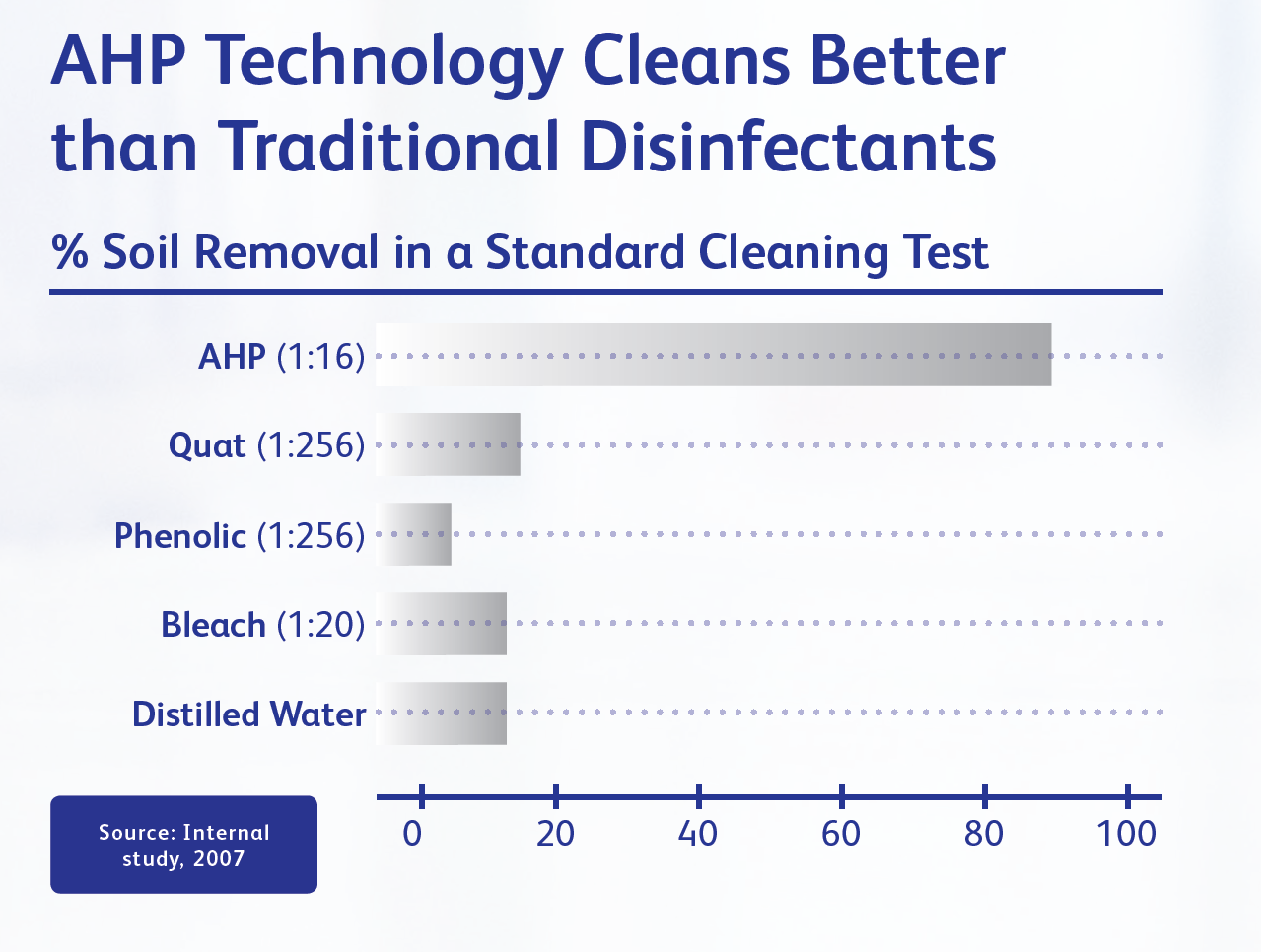
Oxivir® is one of the most advanced one-step cleaning and disinfection solutions available, delivering fast, effective performance without leaving chemical residue or synthetic odors on surfaces. Powered by patented Accelerated Hydrogen Peroxide (AHP®), it removes dirt efficiently and kills viruses in as little as 30 seconds.
The active ingredient breaks down into environmentally friendly water and oxygen within minutes of application. Ready-to-use Oxivir® disinfectant cleaners are formulated with user safety in mind—they are non-corrosive, non-irritating to skin and eyes, and safe to use without personal protective equipment.
Hand-washing dishes may feel simple, but it’s one of the biggest hidden sources of water waste in the kitchen. When washing under a running tap, water flows continuously — even while scrubbing, soaping, or letting dishes soak. This unused flow quickly inflates water consumption and drives up utility costs.
Using a filled basin instead of running water is essential for reducing waste. Without it, hand-washing becomes extremely inefficient. Another major culprit is pre-rinsing plates under the tap before loading a dishwasher, a habit that sends litres of clean water straight down the drain.
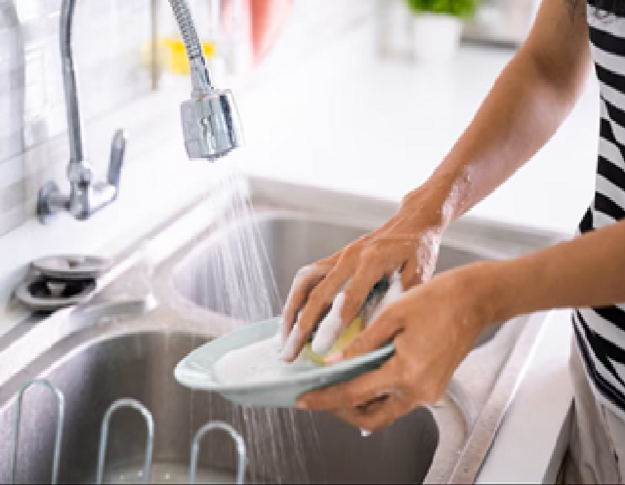
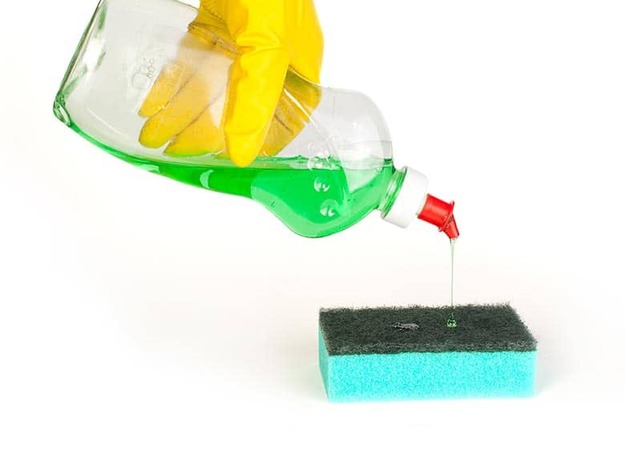
Most kitchen staff use far more dishwashing liquid than necessary. An effective hand-wash needs only 3–10 g of detergent per 5 litres of water, or 2–5 g for concentrated formulas. The typical recommended dose is just 7 g per 5 litres — about 1.4 g per litre.
But when detergent is applied directly to the sponge, usage often exceeds this small, effective amount. This leads to unnecessary chemical waste, higher costs, and greater environmental impact. Dishwashing liquids rank among the top sources of “down-the-drain” chemicals in commercial kitchens, proving that even slight overuse adds up fast.
Maximize efficiency and sustainability by integrating super-concentrated cleaning products with intelligent auto-dosing systems. This powerful combination dramatically improves water management and significantly reduces product consumption and plastic waste. Crucially, it ensures precise dosing, which is the key to achieving optimal cost control and long-term financial savings.
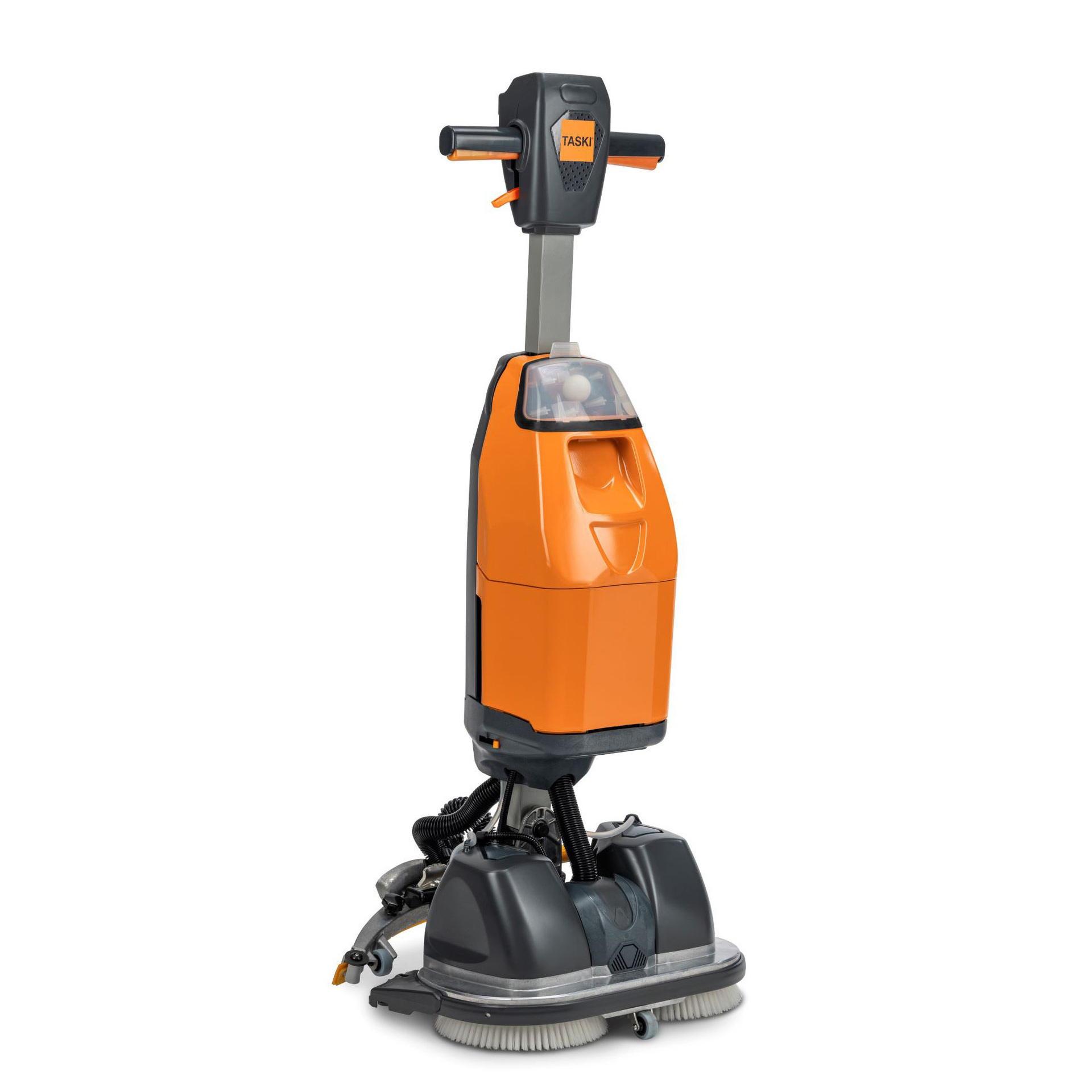
Upgrade your operations by using professional cleaning machines (e.g., auto-scrubbers) to dramatically reduce labor time, water use, and product consumption. Advanced TASKI machines feature intelligent dosing systems that ensure minimal chemical usage during operation. This mechanical advantage—delivered by high-speed brushes and optimized mechanical pressure—allows teams to clean faster and more effectively than traditional methods, guaranteeing superior, consistent results.
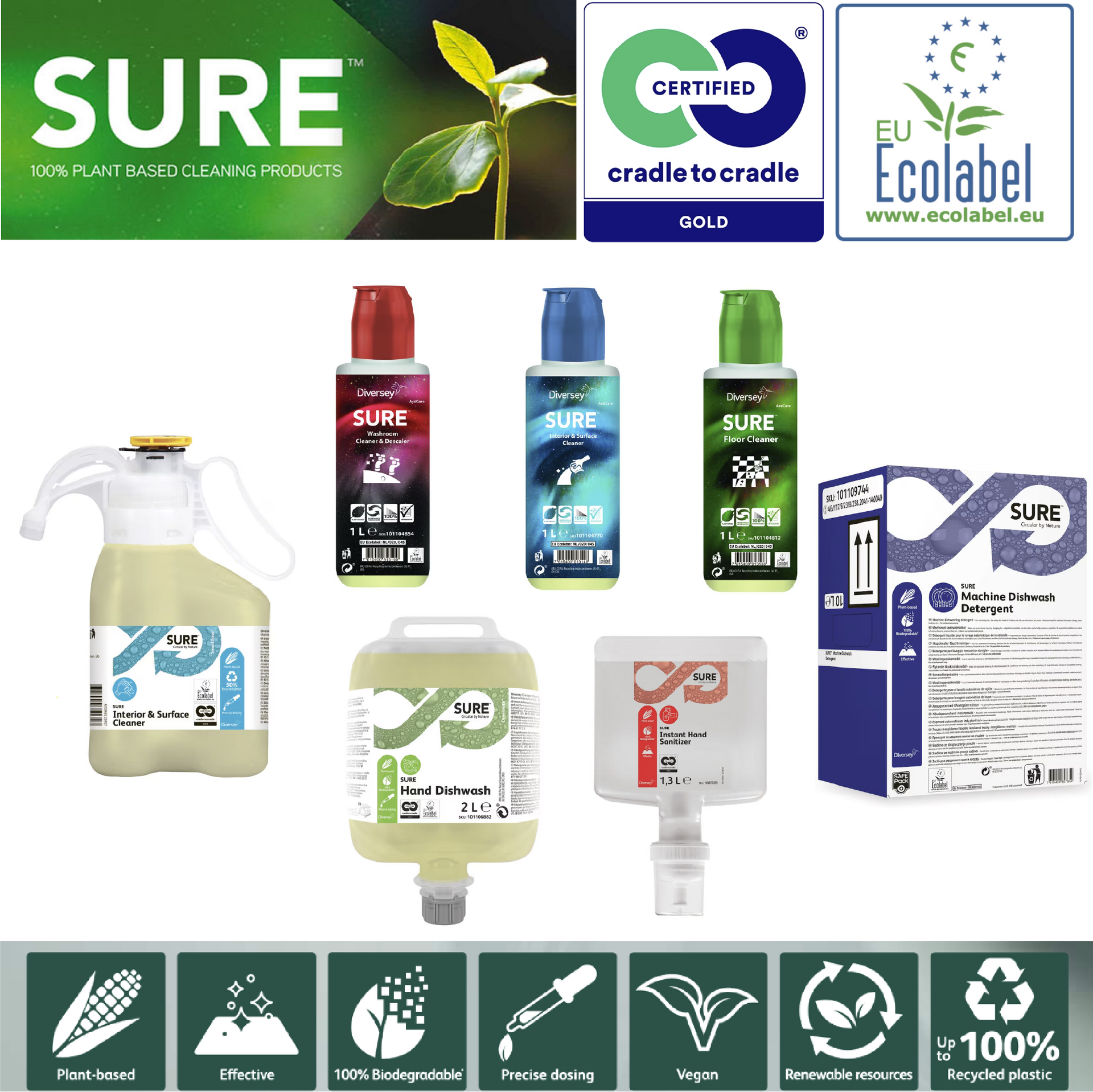
Invest in high-performance Ecolabel and Cradle to Cradle (C2C) certified cleaning products to achieve superior cleaning power with a significantly reduced environmental footprint. These sustainable cleaning solutions utilize safer, non-toxic, plant-based ingredients derived from renewable sources, actively supporting circular production models. By choosing certified green products, you enhance indoor safety, drastically reduce staff and student chemical exposure, and ensure alignment with long-term sustainability goals.

Maximize your commitment to circular sustainability by choosing super-concentrated chemicals in fully recyclable packaging. Integrated with advanced SmartDose technology, this efficient dosing solution dramatically lowers your overall environmental footprint by cutting:
This combination delivers powerful cleaning performance with a significantly smaller impact than traditional standard systems.
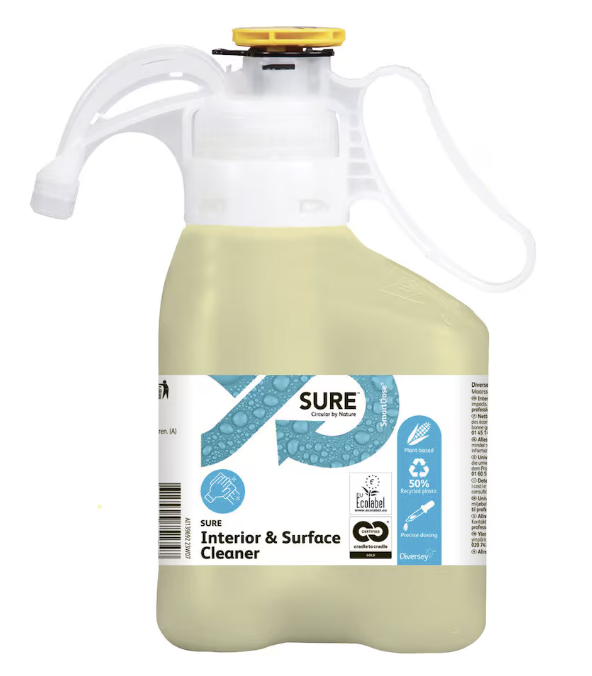
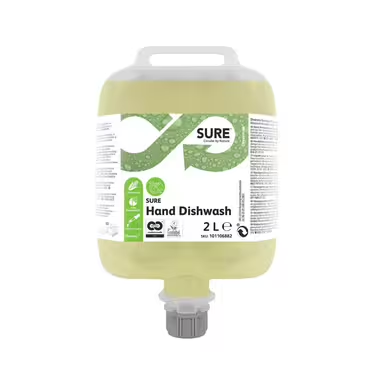
Choose SURE plant-based cleaning products for powerful, sustainable results and a reduced environmental impact. Our formulations utilize 100% biodegradable ingredients derived from renewable agro-food by-products like sugar beet, maize, and coconut.
SURE meets stringent OECD 301B standards for safety and sustainability. Furthermore, by integrating natural by-products and renewable energy in our production process, SURE achieves an average 16% lower carbon footprint compared to traditional petroleum-based cleaners, providing superior cleaning without the compromise.
A 2024 randomized controlled pilot study in BMC Public Health found that implementing a school‑based cleaning and disinfection protocol including training and use of disposable wipes significantly reduced bacterial loads on surfaces in primary and kindergarten settings.
| # | High-Risk Area | Reason | Likely Pathogens | Result if Neglected | Recommended Instructions | Recommended Cleaning Products |
|---|---|---|---|---|---|---|
| 1 | Toilet / toilet flush handles / taps / door handles in toilet area | Moist, contaminated with feces/urine; many users | Norovirus, rotavirus, enteric bacteria, adenovirus | Gastrointestinal outbreaks → many absent children/staff | Clean daily; disinfect immediately after vomiting/diarrhoea spills or visible faecal/blood contamination. Ensure paper towels and functioning soap. | Toilet bowls: SURE Toilet Cleaner Handles: SURE Cleaner Disinfectant Fast Disinfection: Oxivir Plus or Oxivir Excel Wipe Hygienic Handwashing: SURE Antimic Antimicrobial Soap |
| 2 | Cloakrooms / coat hooks / locker handles | High touch; crowded at start/end of day | Respiratory viruses (influenza, RSV, COVID), common cold | Rapid person-to-person spread at transition times | Wipe high-touch points daily (or more in high-transmission periods). Emphasise hand hygiene at entry. | Wiping high-touch points: Oxivir Excel Wipe |
| 3 | Classroom touchpoints (tables, chair backs, pens, toys, shared craft supplies) | Many children touch same surfaces; toys often mouthed | Rhinovirus, RSV, influenza, COVID-19, enteroviruses, conjunctivitis pathogens | Increased respiratory and eye infections; learning loss | Daily cleaning of surfaces; toys cleaned per schedule (soft toys less often or removed during outbreaks). Disinfect toys after contact with saliva/vomit/bodily fluids. | Surface Cleaning: SURE Cleaner Disinfectant During an Outbreak: Oxivir Excel Wipe and Oxivir Plus |
| 4 | Lunch / eating tables, chairs | Food contact; communal use | Norovirus, Salmonella, Staphylococcus aureus (foodborne), enteric viruses | Foodborne illness and GI outbreaks | Clean after each lunch session; disinfect if contamination occurs. Food handling rules and handwashing before eating. | Food contact surfaces: SURE Cleaner Disinfectant Hygienic Handwashing: SURE Antimic Antimicrobial Soap |
| 5 | Staff rooms / toilets / kitchenette | Adults share space — possible cross-transmission between adults and children | Same as above + seasonal influenza | Teacher-to-teacher spread → reduced staffing capacity | Daily clean; high-touch points wiped daily. Encourage symptomatic staff to stay home. | Daily Cleaning: SURE Interior & Surface Cleaner Toilet bowls: SURE Toilet Cleaner Wiping high-touch points: Oxivir Excel Wipe |
| 6 | Playground equipment | Outdoors but high contact; sometimes not cleaned often | Skin infections (impetigo), respiratory droplets on handrails | Localized spread; lower risk than indoor, but sharing can transmit | Inspect regularly; clean weekly or after visible contamination. Promote handwashing after play. | Weekly cleaning: SURE Cleaner Disinfectant Hygienic Handwashing: SURE Antimic Antimicrobial Soap |
| 7 | Rest mats (where used) | Close contact, saliva, drooling | Respiratory viruses, head lice (indirect), some skin infections | Direct transmission within class group | Clean between users or use washable covers; disinfect after vomiting/other contamination. | Mats: Oxivir Plus Spray |
| 8 | Electronic devices (tablets, touchscreens) | High touch surface, hard to clean properly if contract limits | Respiratory viruses, conjunctivitis agents | Rapid shared-device transmission | Clean daily or between class groups; follow manufacturer's guidance for disinfectants. | Cleaning electronic devices safely: Oxivir Excel Wipe |
| 9 | Sinks & soap dispensers | Touch, moisture supports survival of some pathogens | Various enteric/respiratory agents (indirect risk if broken) | If nonfunctional → poor hand hygiene → more infections | Maintain and check daily; replace paper towels frequently. | Sinks: SURE Cleaner Disinfectant Manual soap dispensers: Oxivir Plus Spray |
Hygiene guideline for primary schools | RIVM
Evidence-based literature review: Norovirus | Substantiation | LCI guidelines
KvK: 92602290
BTW: NL004968846B78
Smaragd 2, 2371LA
Roelofarendsveen, Netherlands
+31645886235
2025 Glowex